A Year of Garden Experiments
Sand and wildflower gardening, poppy petal emulsion and Nigel Dunnett.
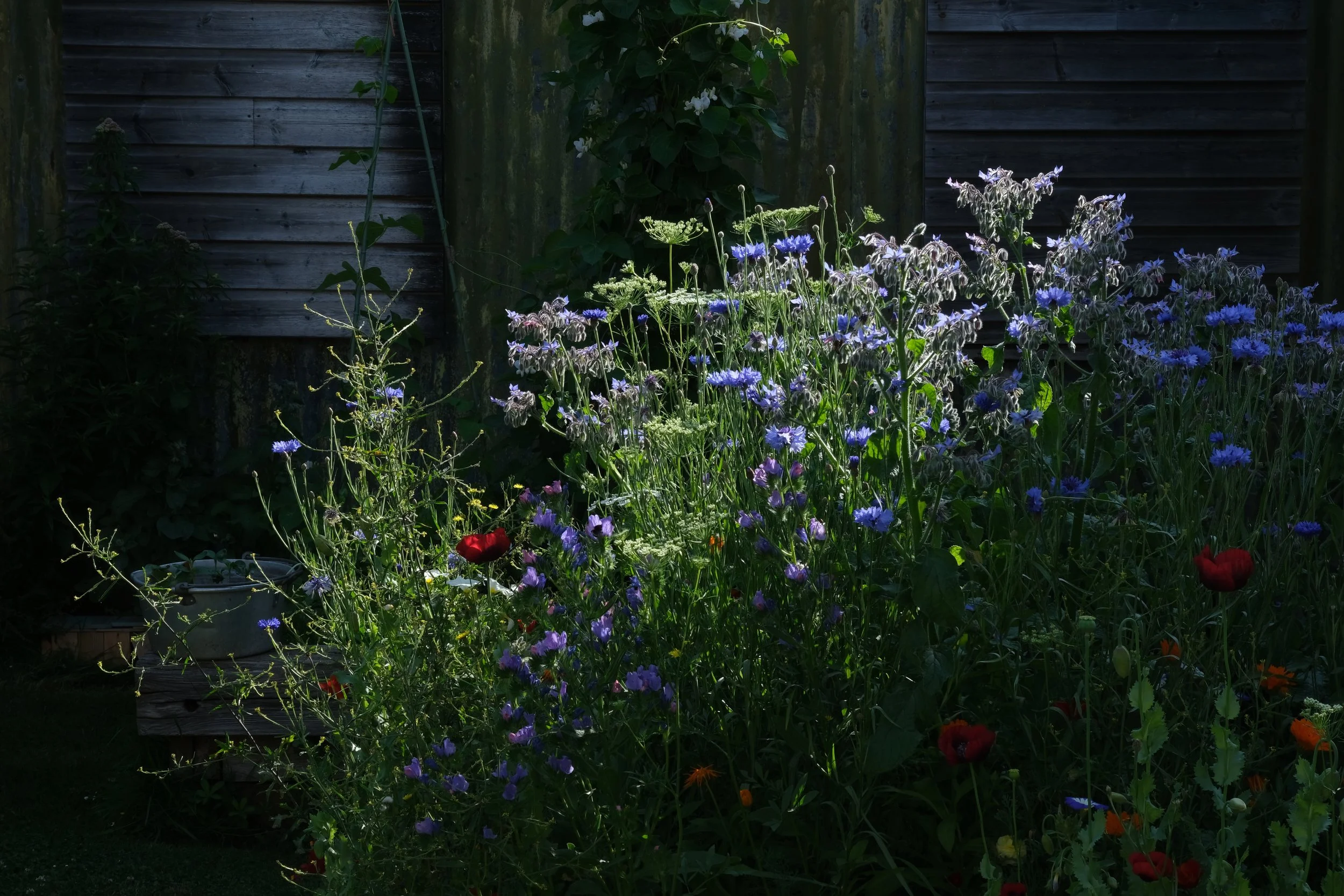
Pictorial Meadow wildflower seed mix sample packet, with added borage and poppies.
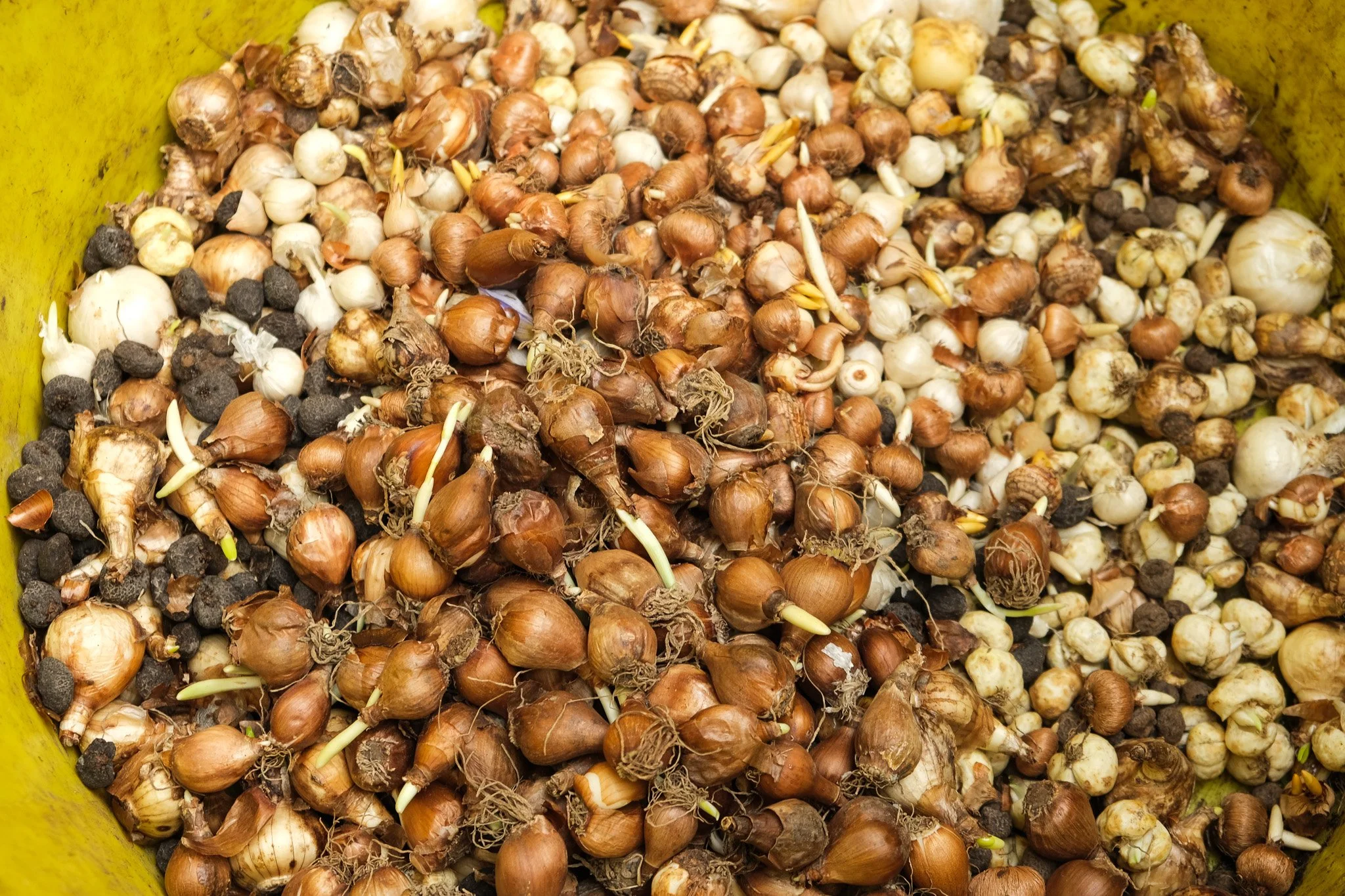
Bulb planting November 2025, Southbank Centre
On a cold and bright October day last year Maeve and I tucked 1200 spring bulbs into the soil on top of the Queen Elisabeth Hall at Southbank Centre. It felt like wrapping up Christmas presents to open later. Working outside this way felt deeply restorative and has since become a happy part of everyday life.
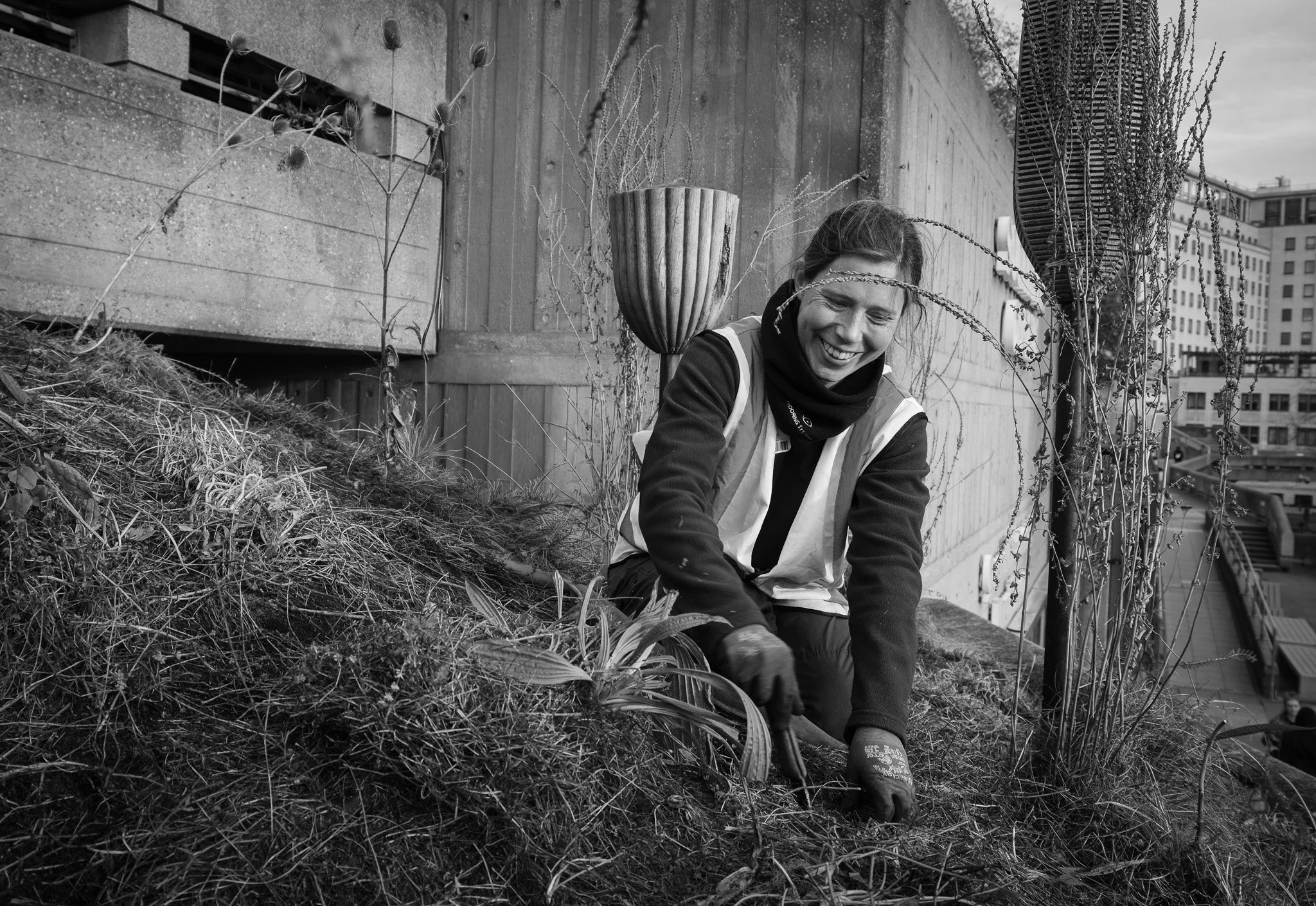
On the roof of Queen Elisabeth Hall tucking bulbs into their winter blankets with Maeve Polkinhorn, November 2025.
Learning from Nigel Dunnett’s ‘Grey to Green’ in Sheffield
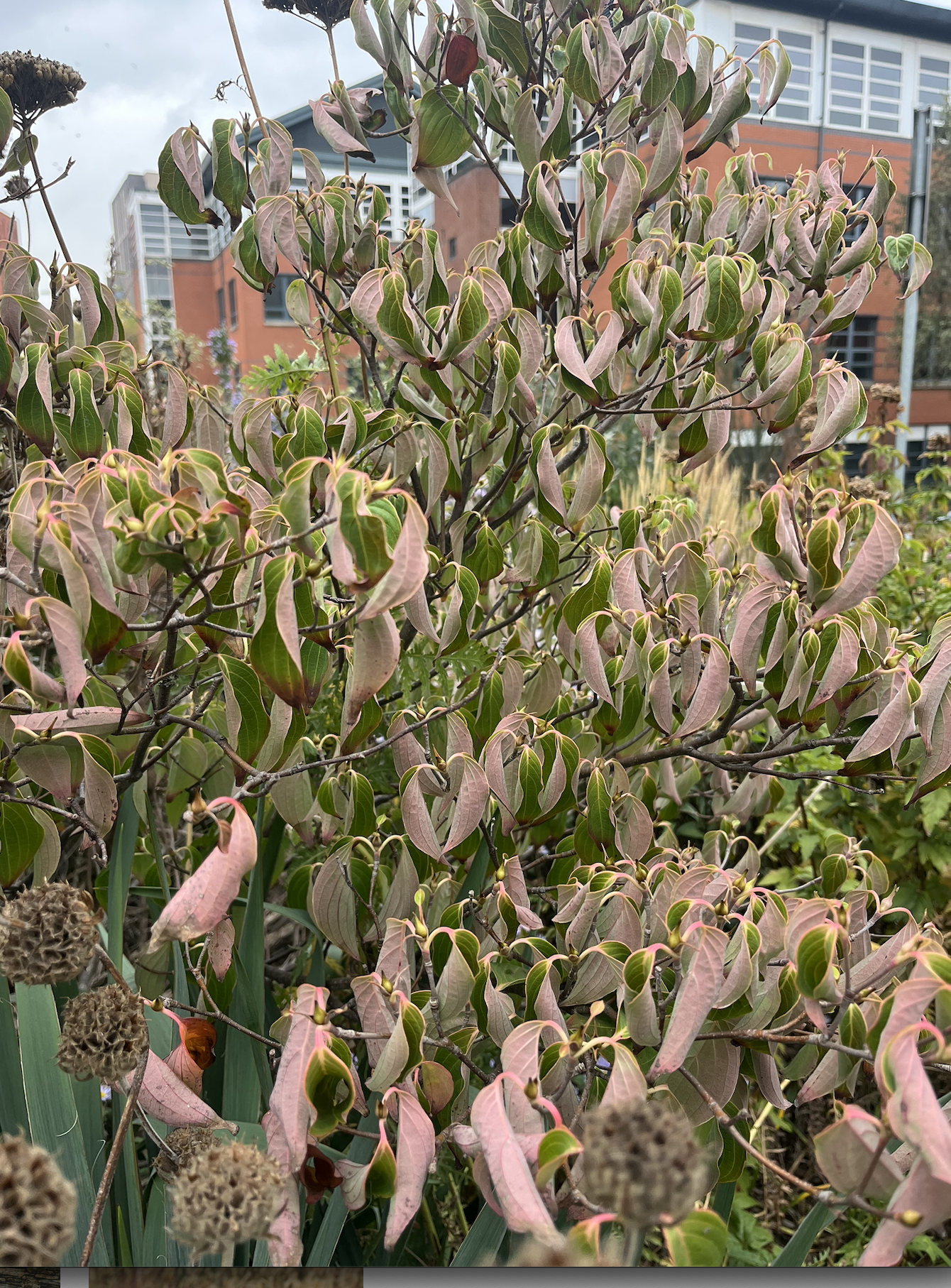
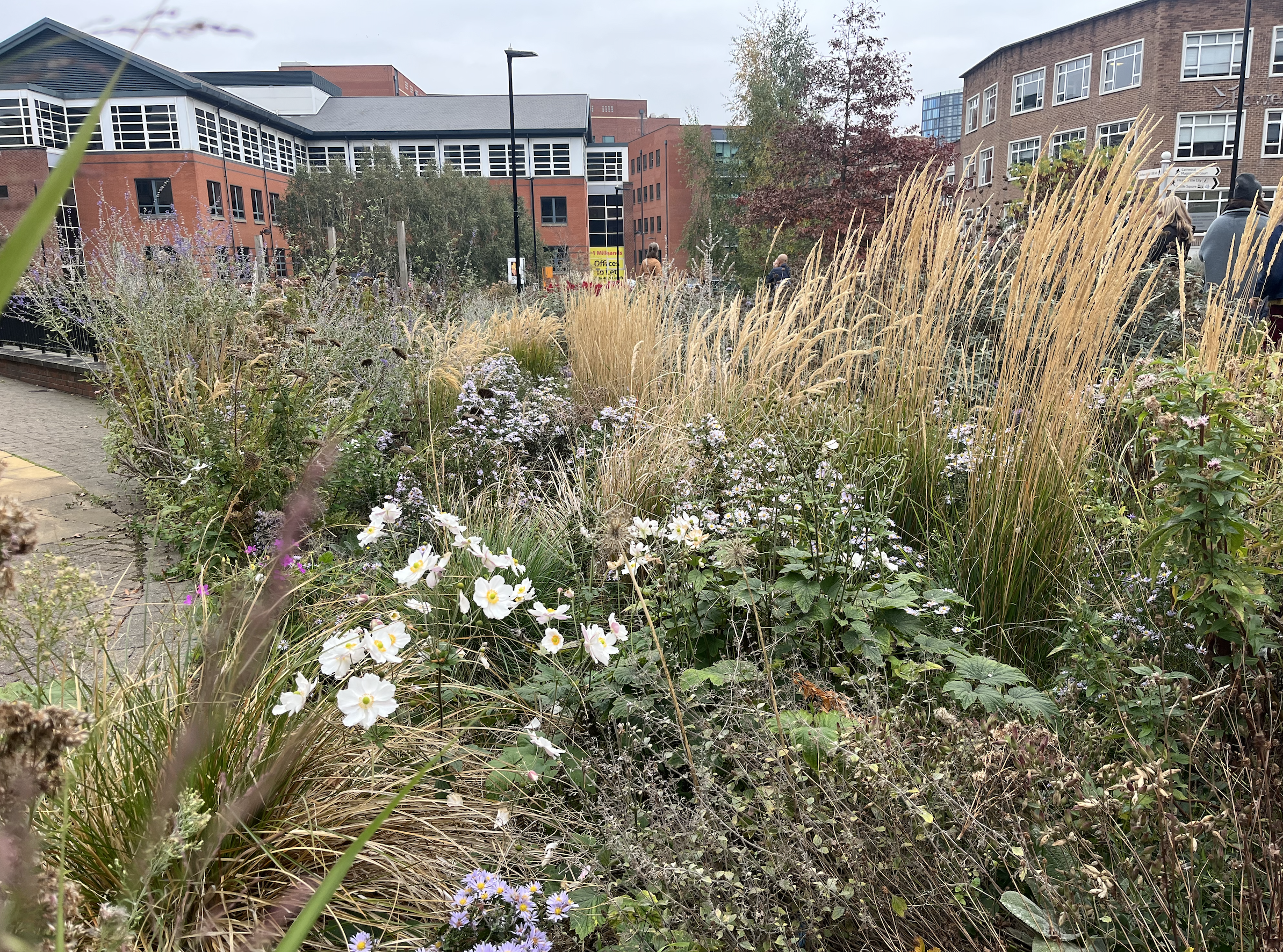
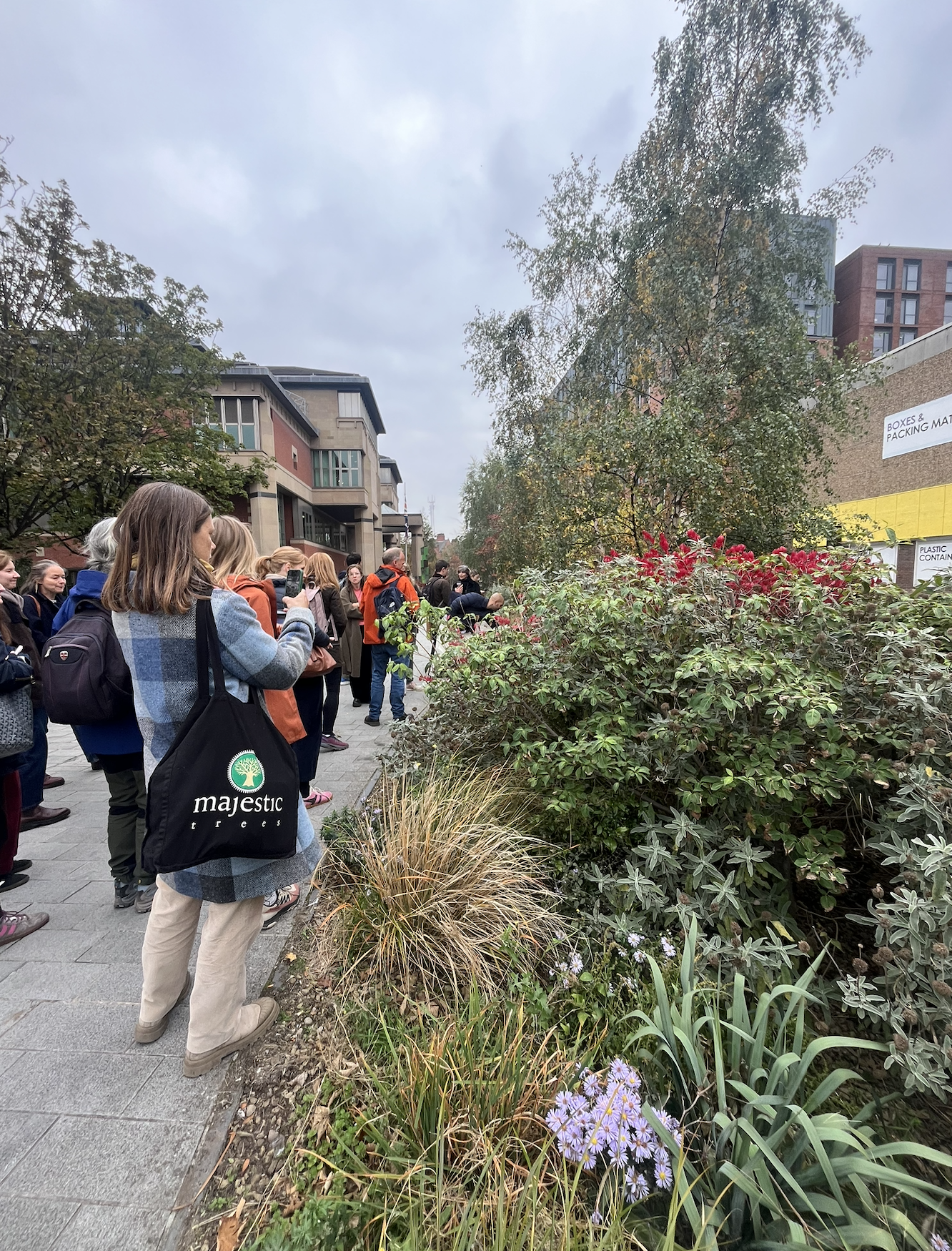
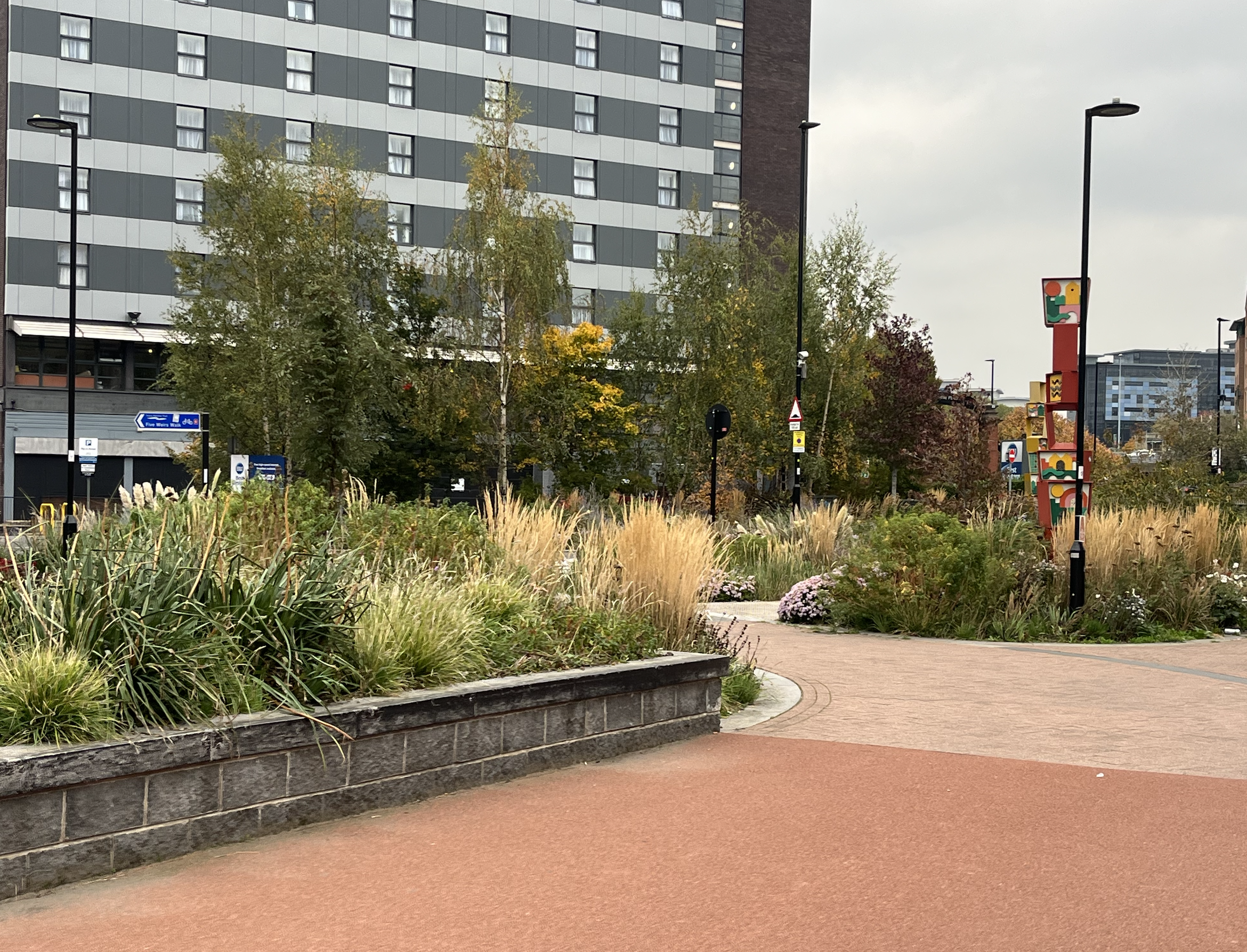
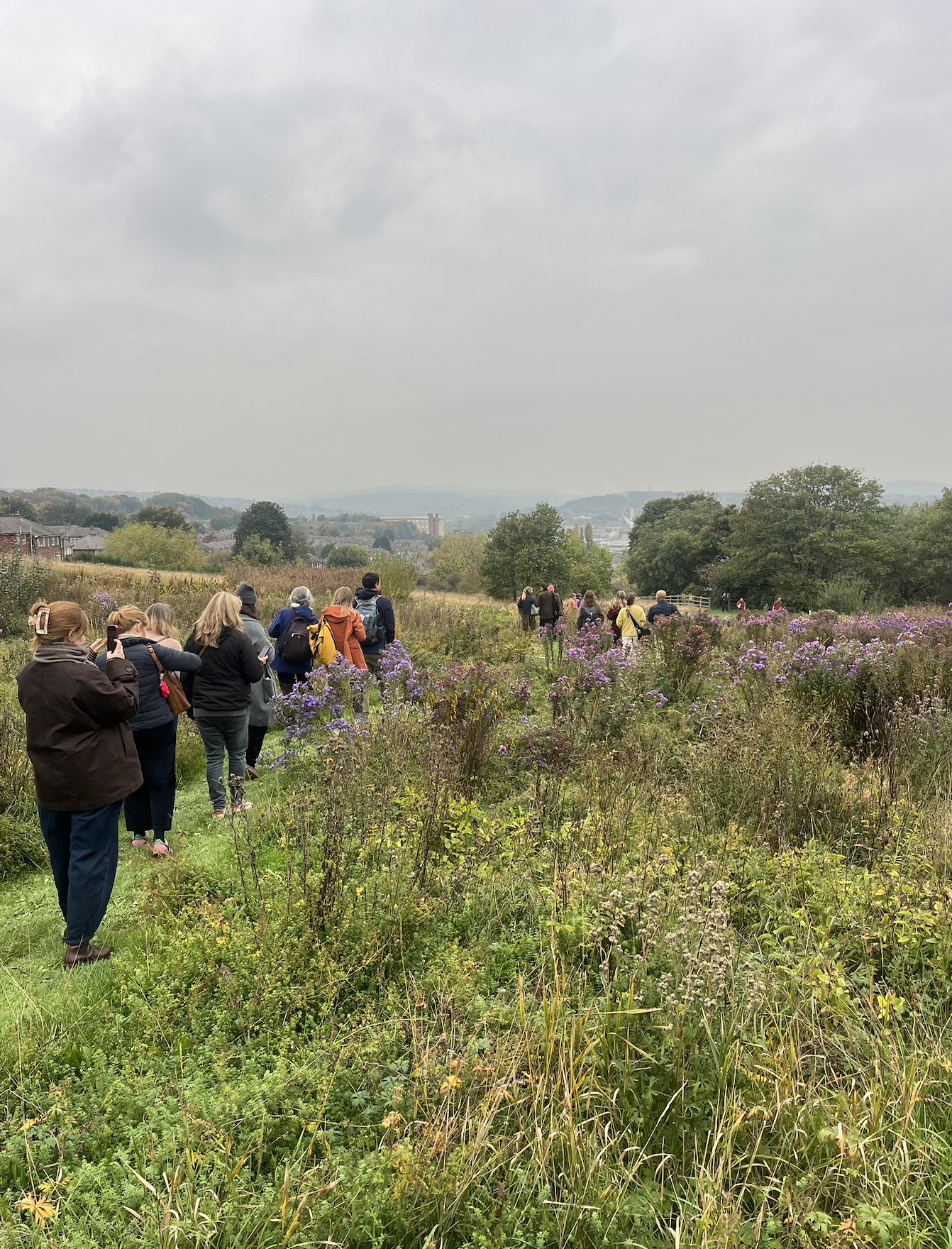
As part of the Society of Garden & Landscape Designers (SGLD) tour of Nigel Dunnett’s Green to Grey project in Sheffield, Maeve and I (Eleanor) spent a wonderful weekend exploring how imaginative planting has transformed the city’s public spaces. During the symposium, I found myself sketching next to Owen Hayman, who kindly gifted me three packets of wildflower seeds from Pictorial Meadows, their experimental meadow seed company. A visit to their trial fields was equally inspiring, giving me the confidence to gradually replace our lawn with wildflowers and create areas for experimentation and biodiversity in the garden.
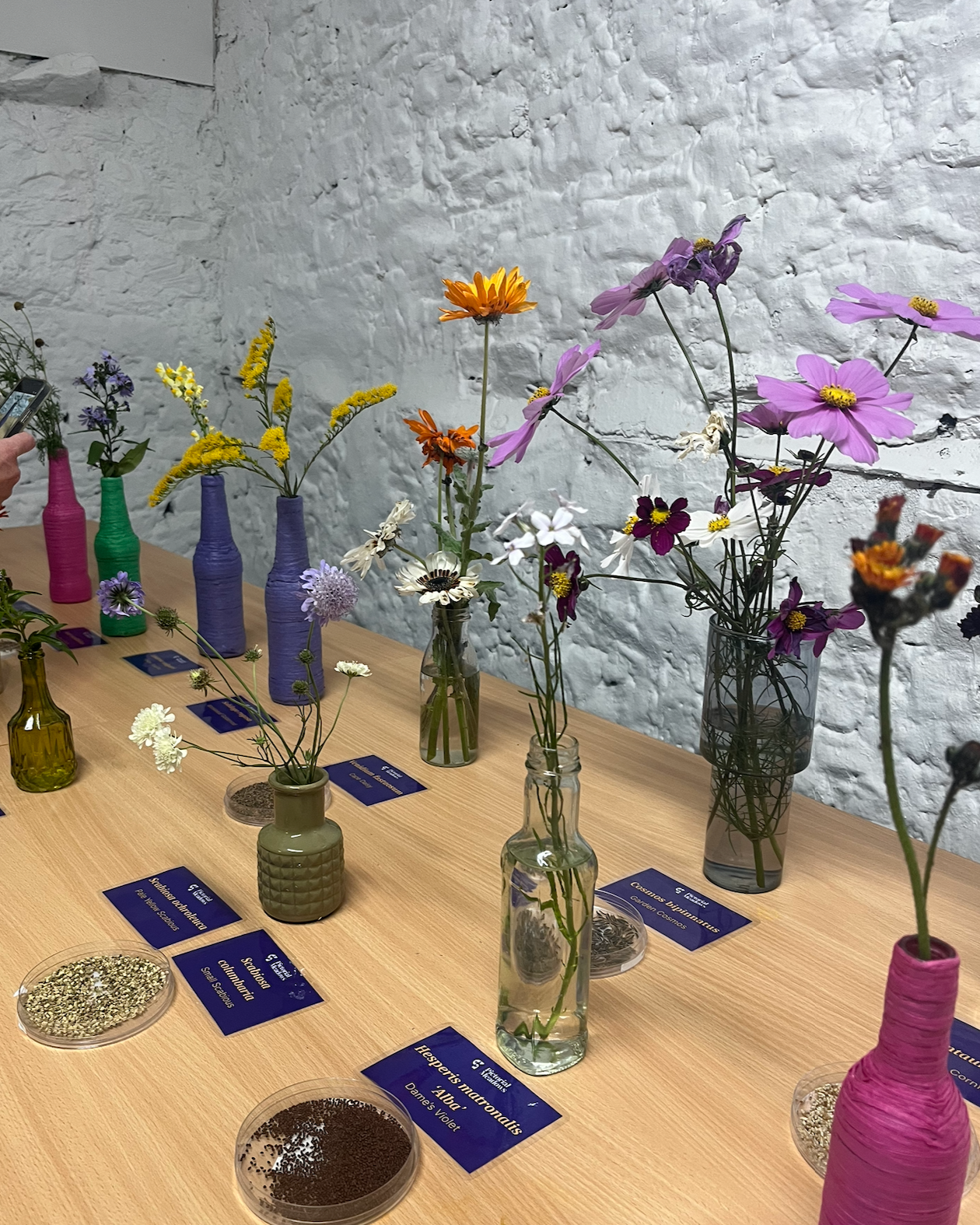
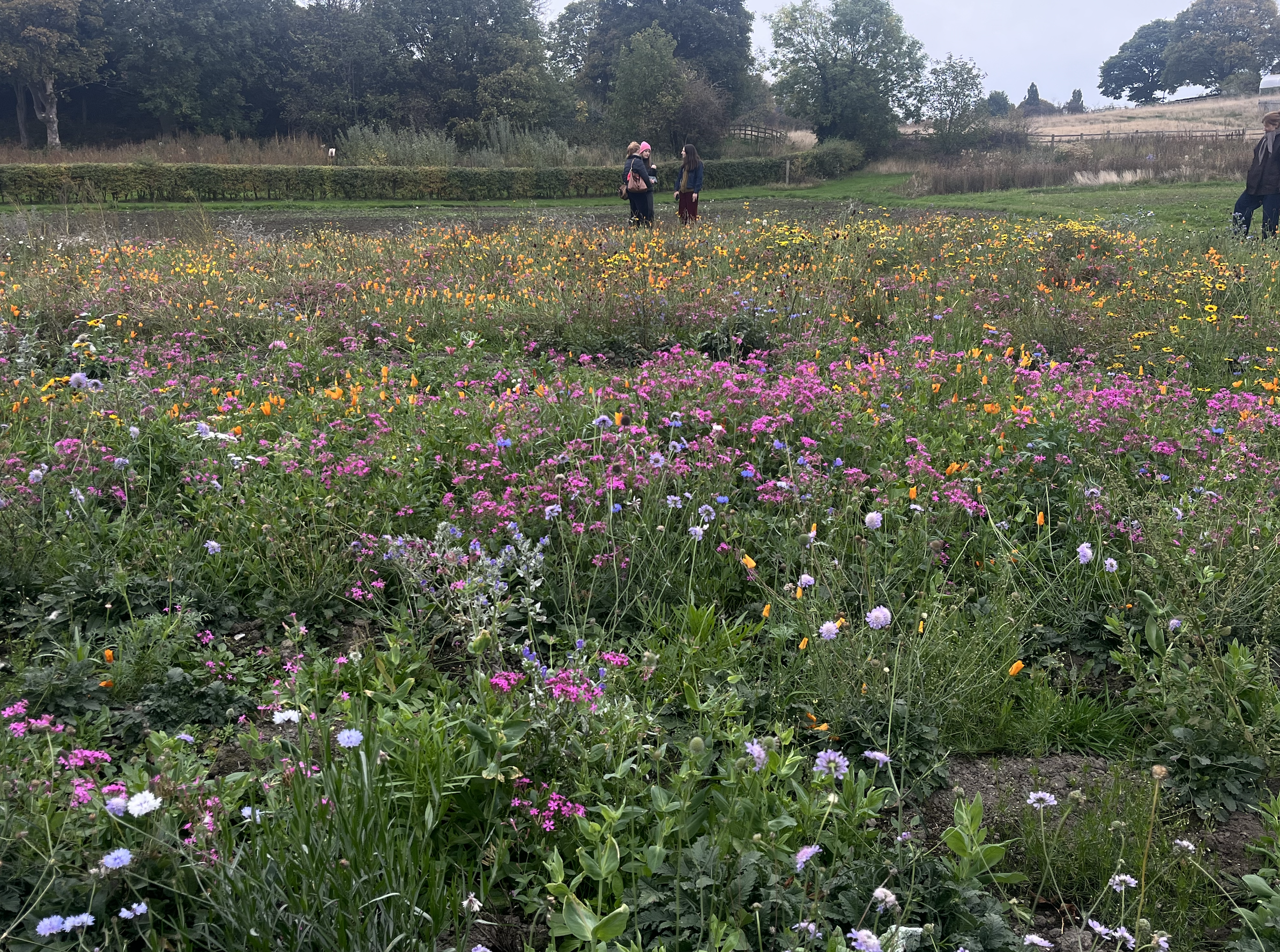
A very inspiring Pictorial Meadows tour with Owen Hayman.
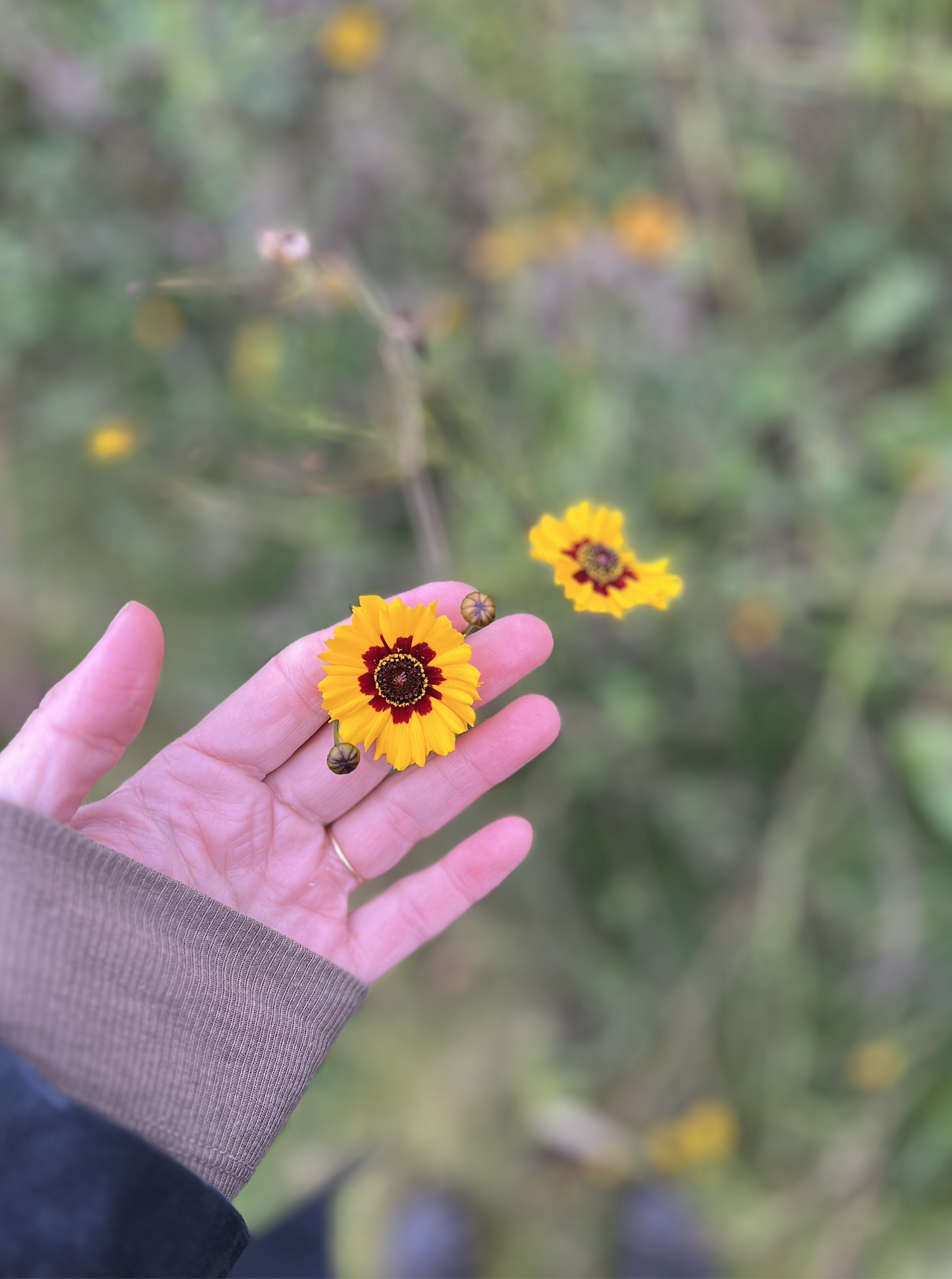
Each of Pictorial Meadow seed mixes have an enormous variety of plants that are both unusual and diverse.
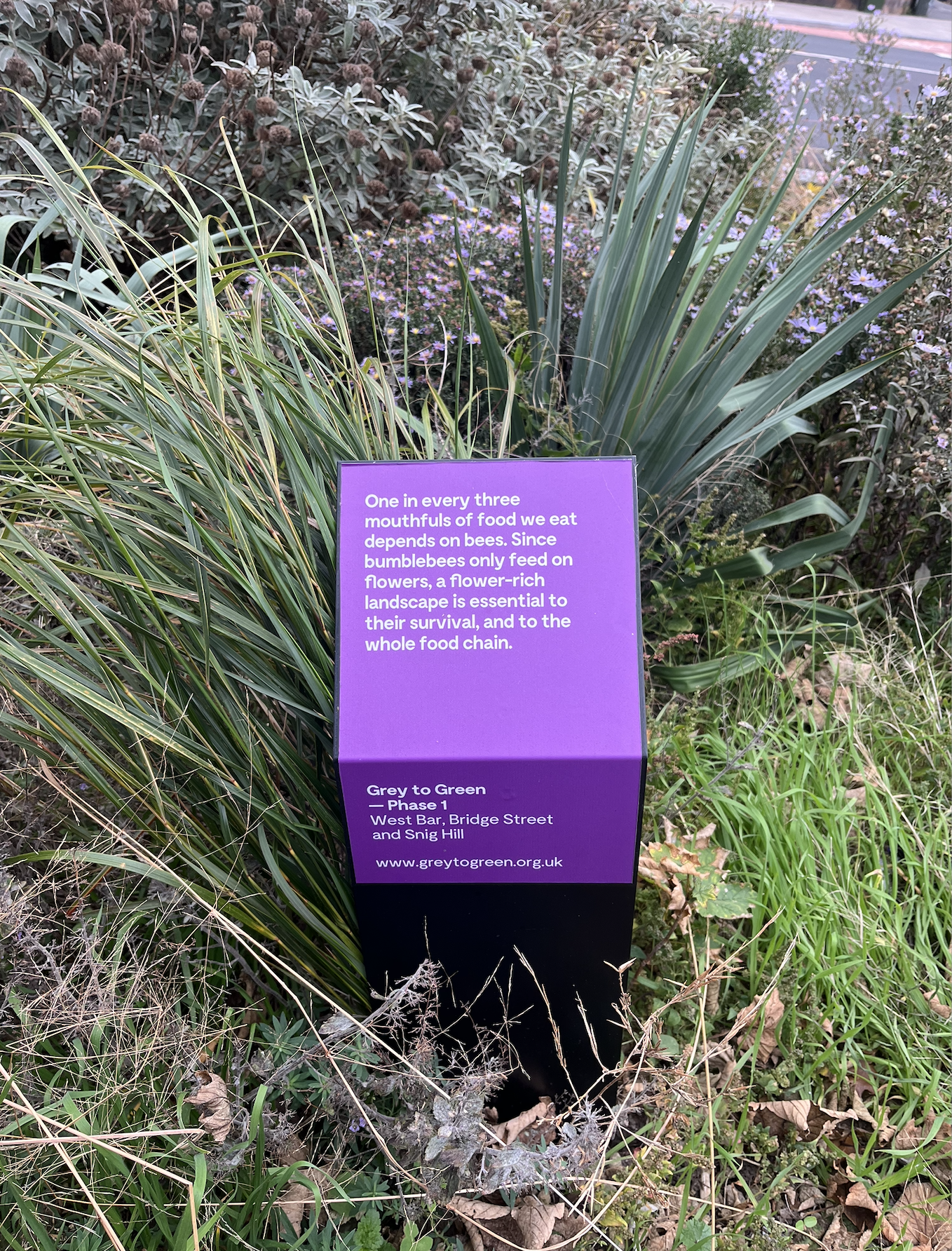
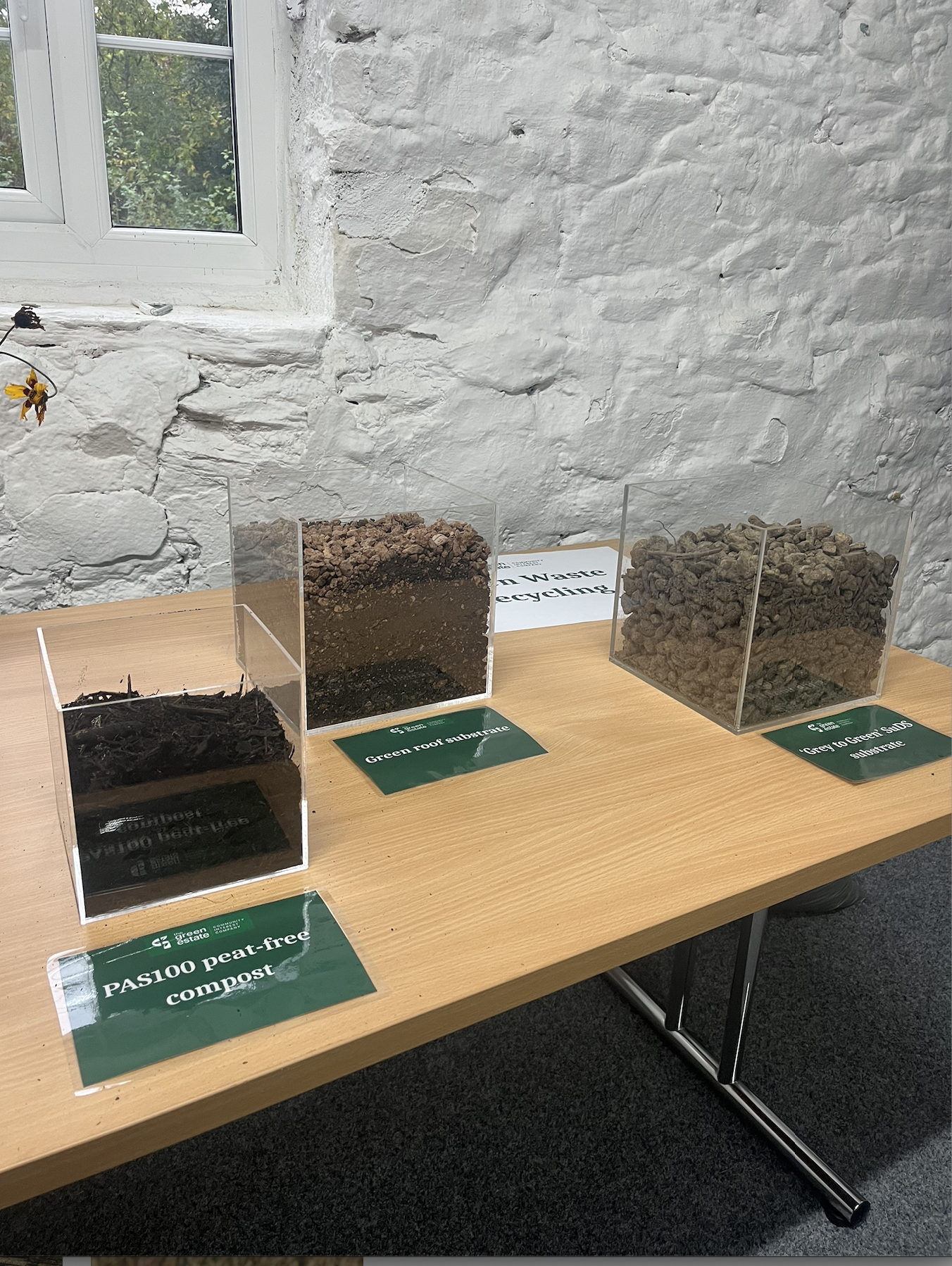
Sheffield's Grey to Green and Pictorial Meadows tour was incredibly inspiring. What was once a major road has been transformed into a beautiful green corridor, packed with diverse planting, walkways, and new habitats. The design doesn't just look great - it helps absorb rainwater, reduce urban heat, and tackle flooding, which was once a major issue for the city. Seeing it in person, it's easy to understand why Sheffield is considered one of Europe's greenest cities. A fantastic example of how nature and urban design can work together.
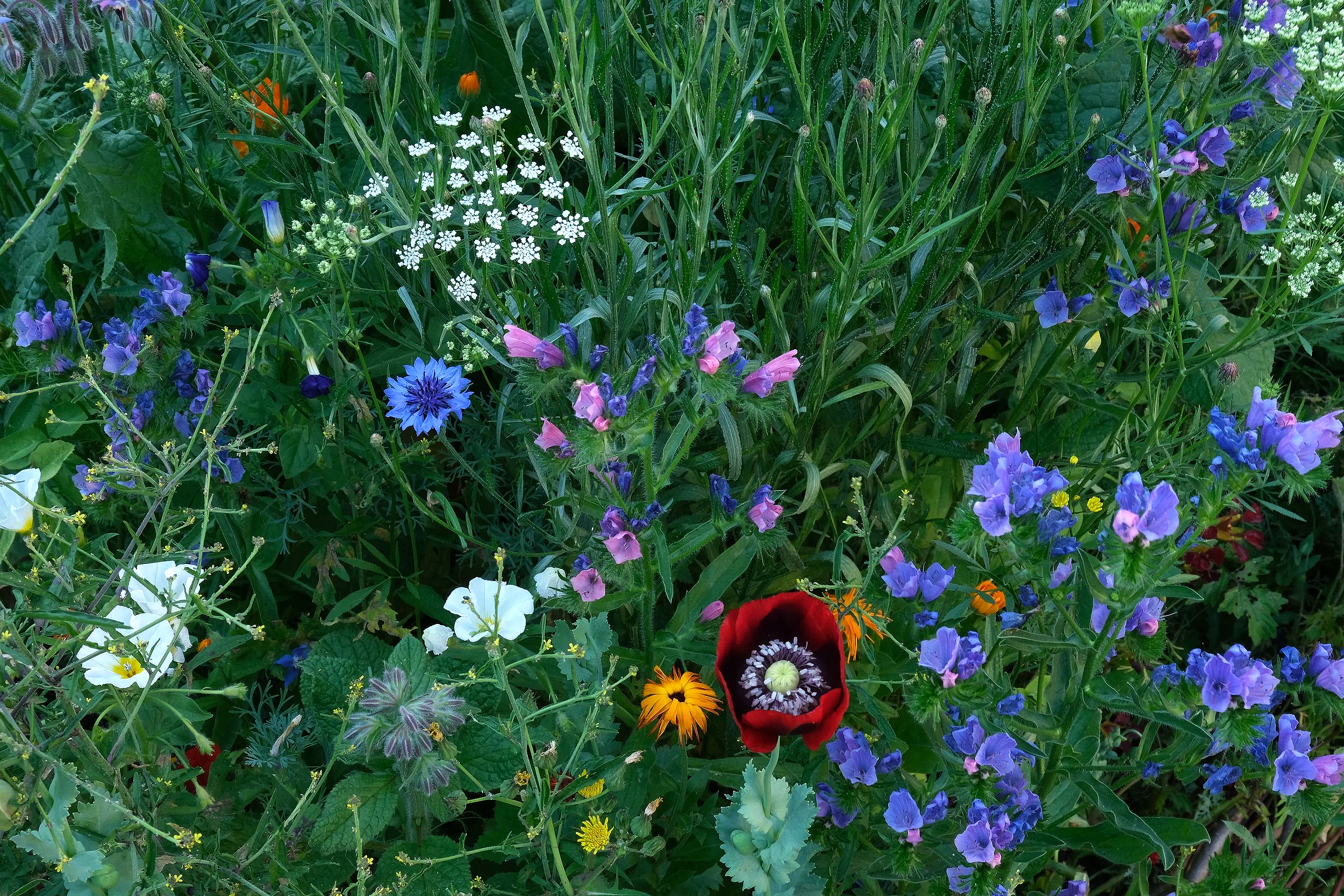
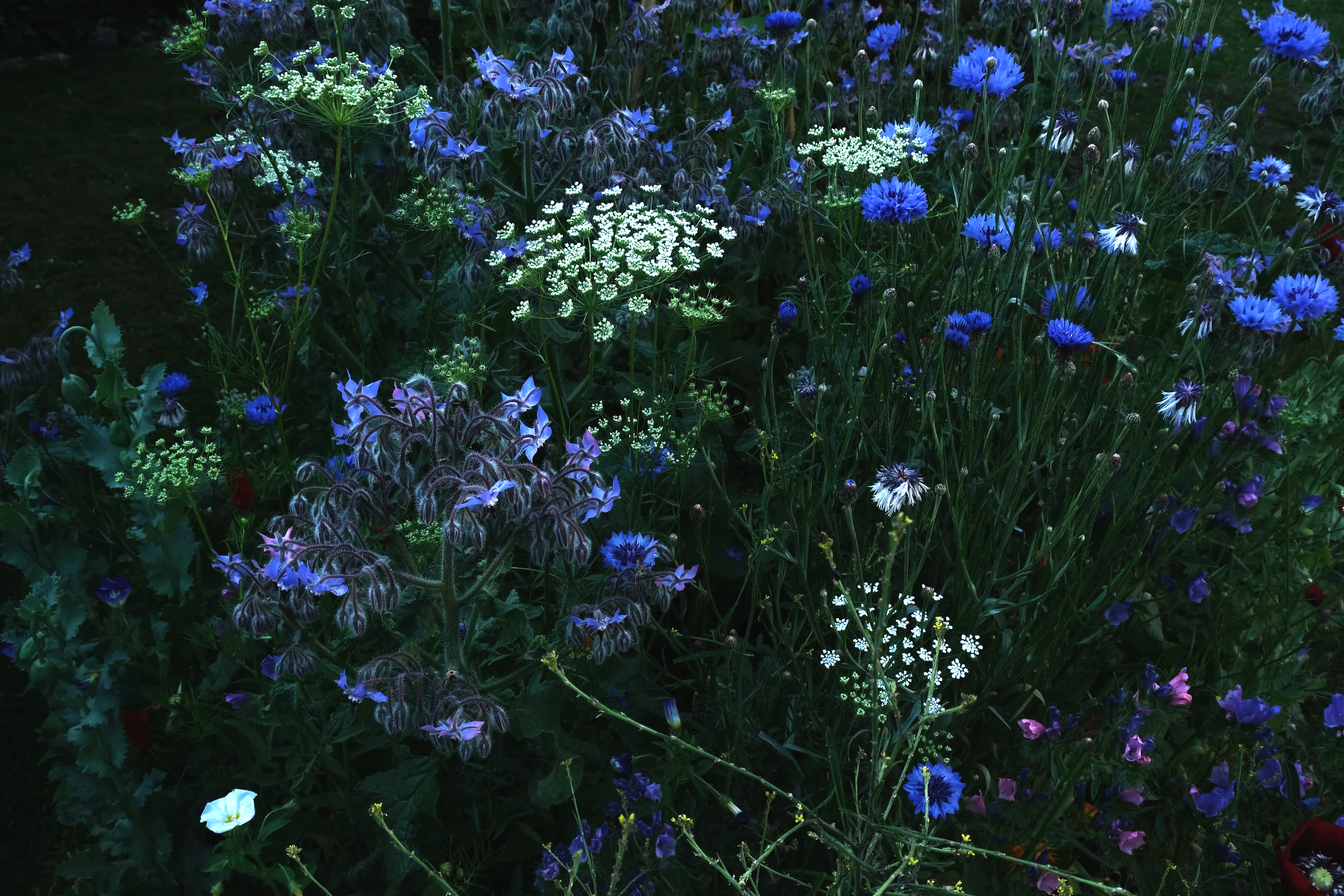
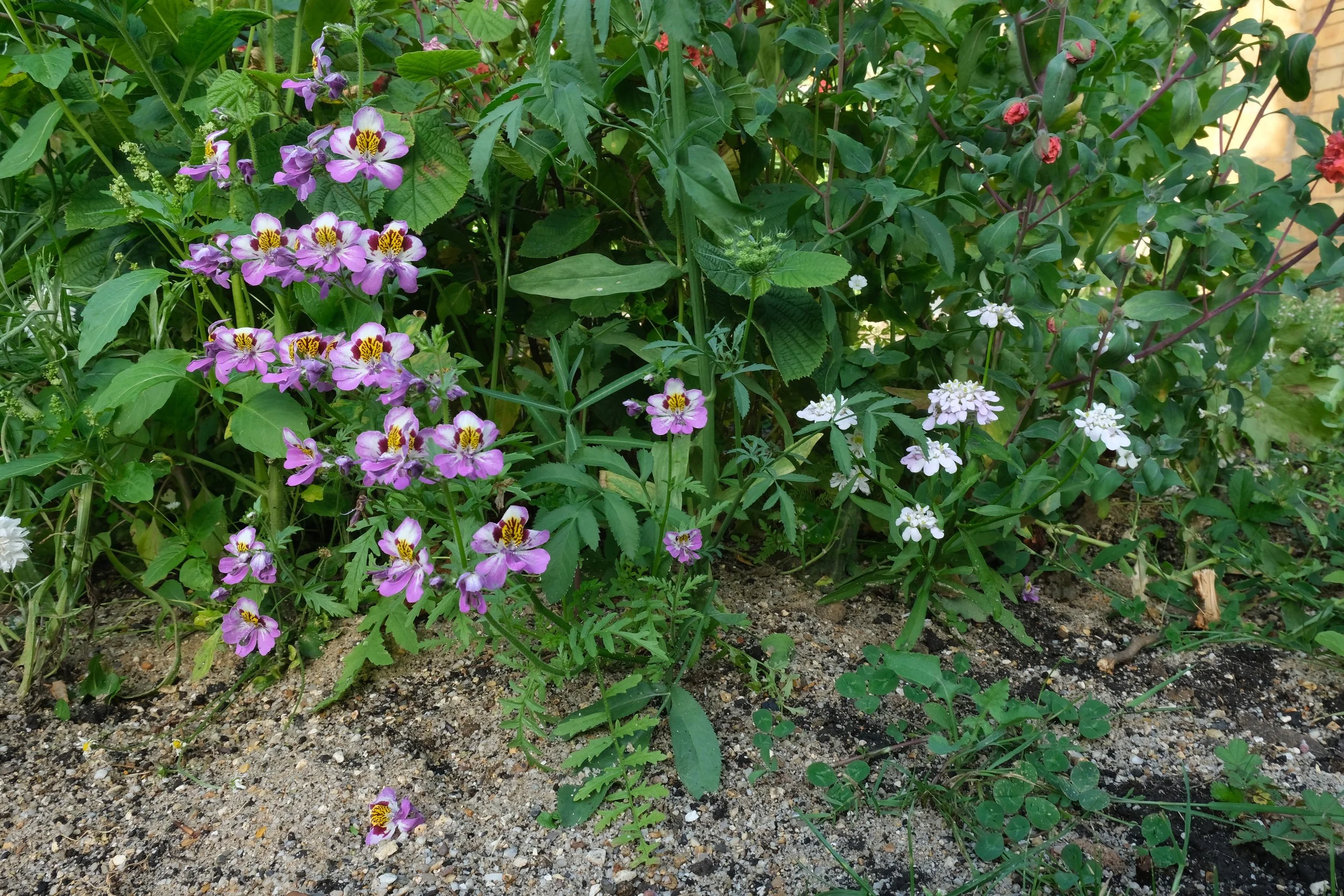
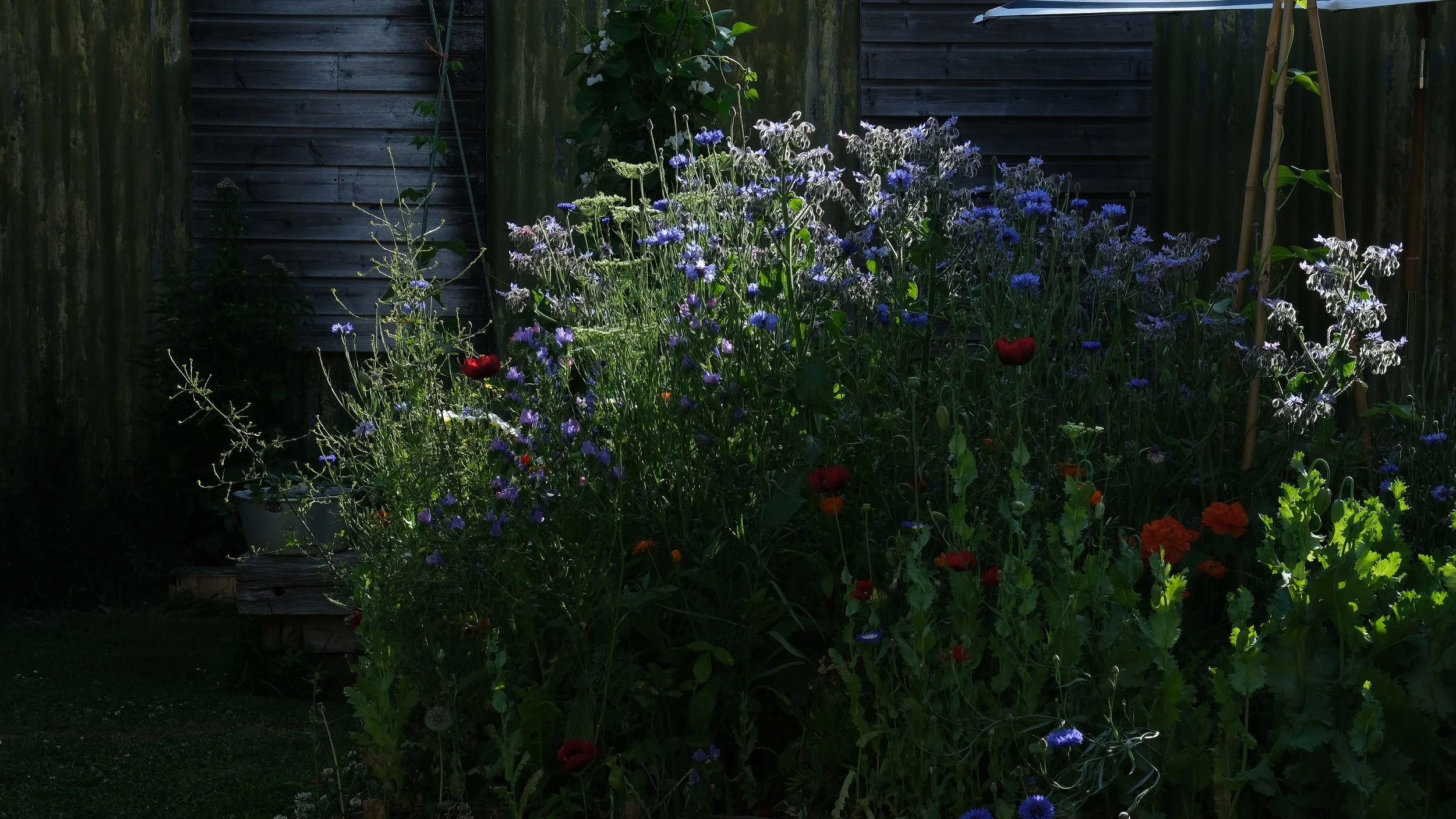
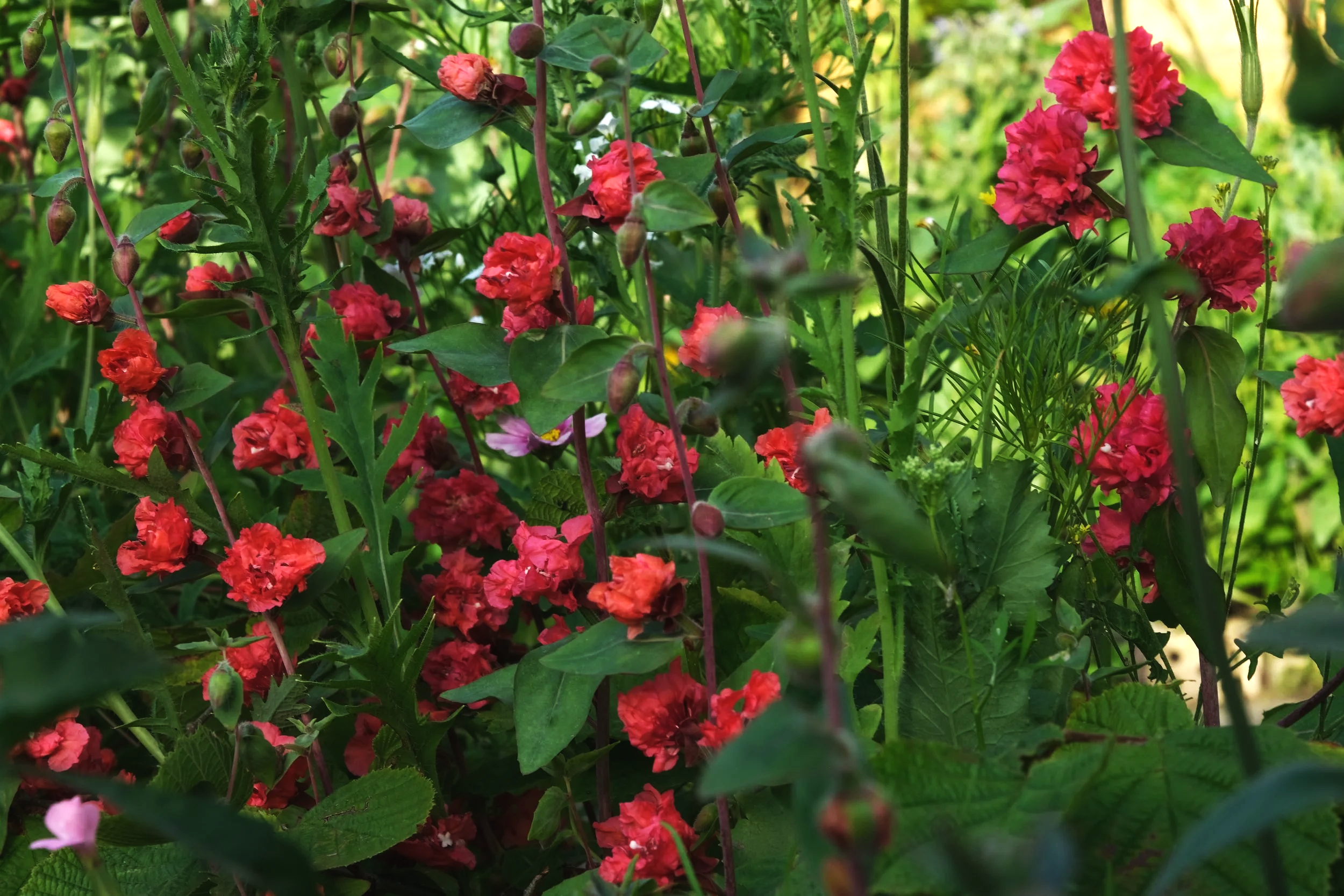
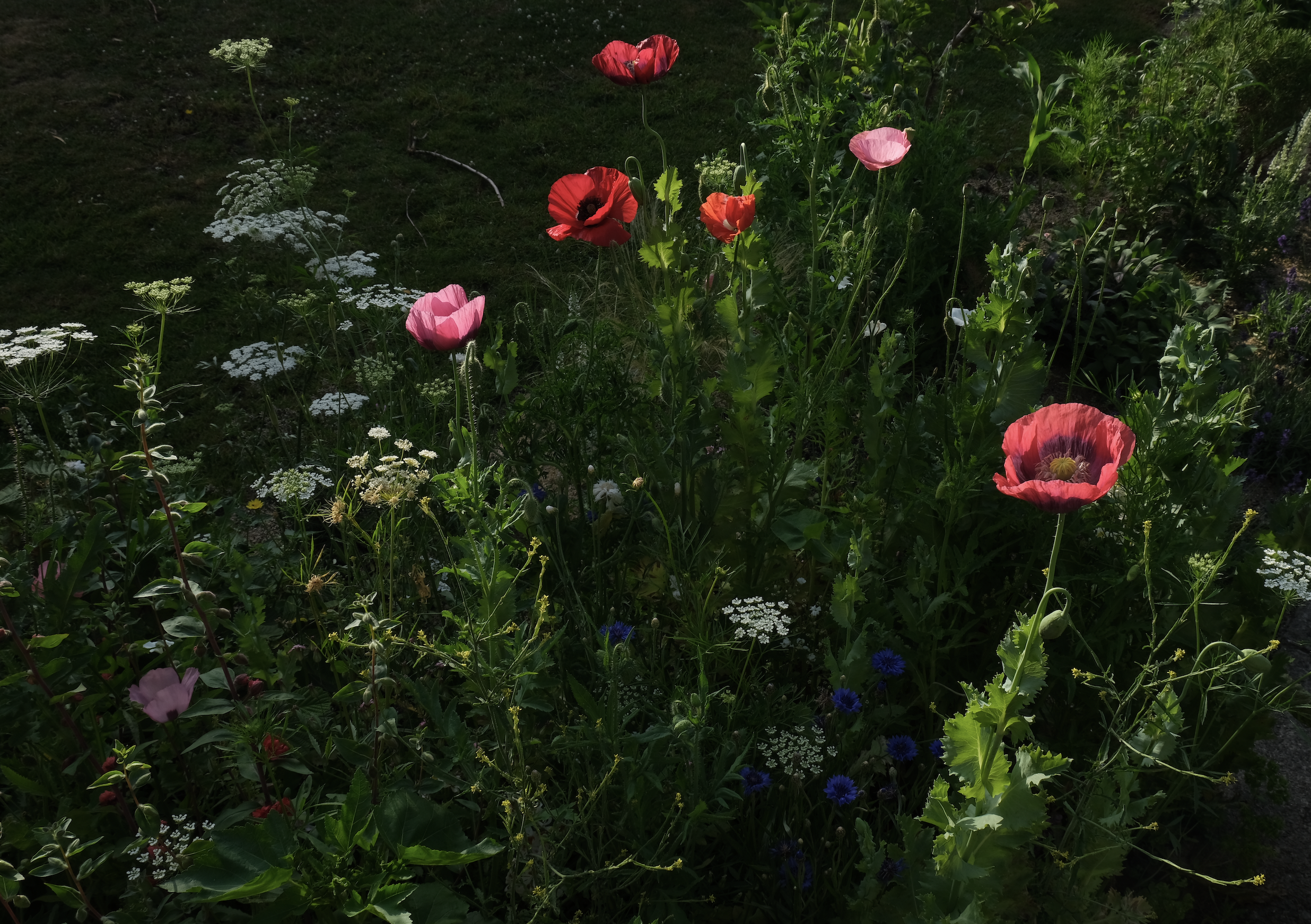
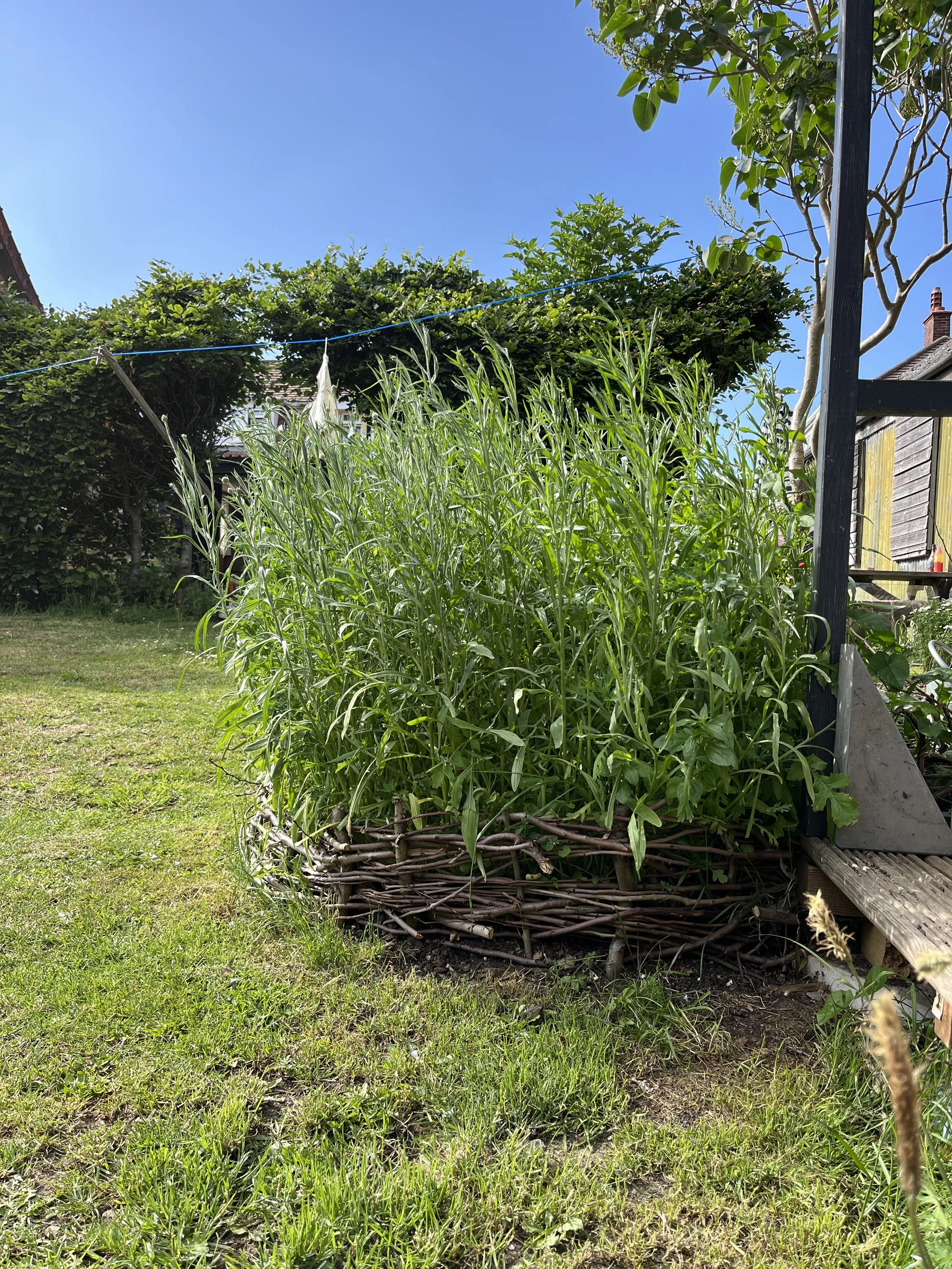
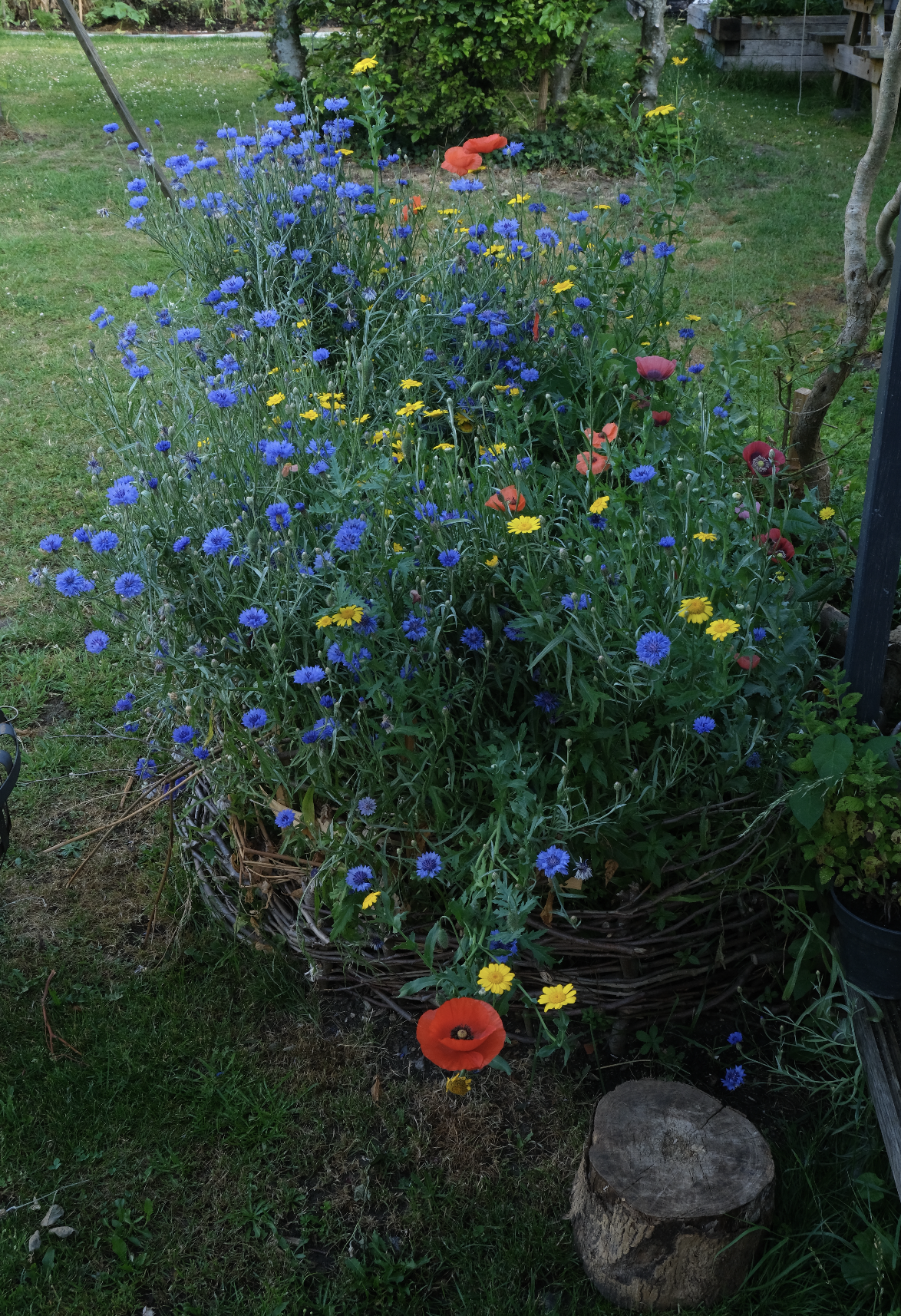
Wildflower test areas at home in our town garden in Dorset.
We sowed each of the three small packets of wildflower seeds in different areas of our garden to see how they would grow and which conditions they preferred. For one of the seed mixes, I created a circular woven bed using hedge cuttings from our hawthorn and beech hedge, filling it with old compost left behind by the previous owners of the house.
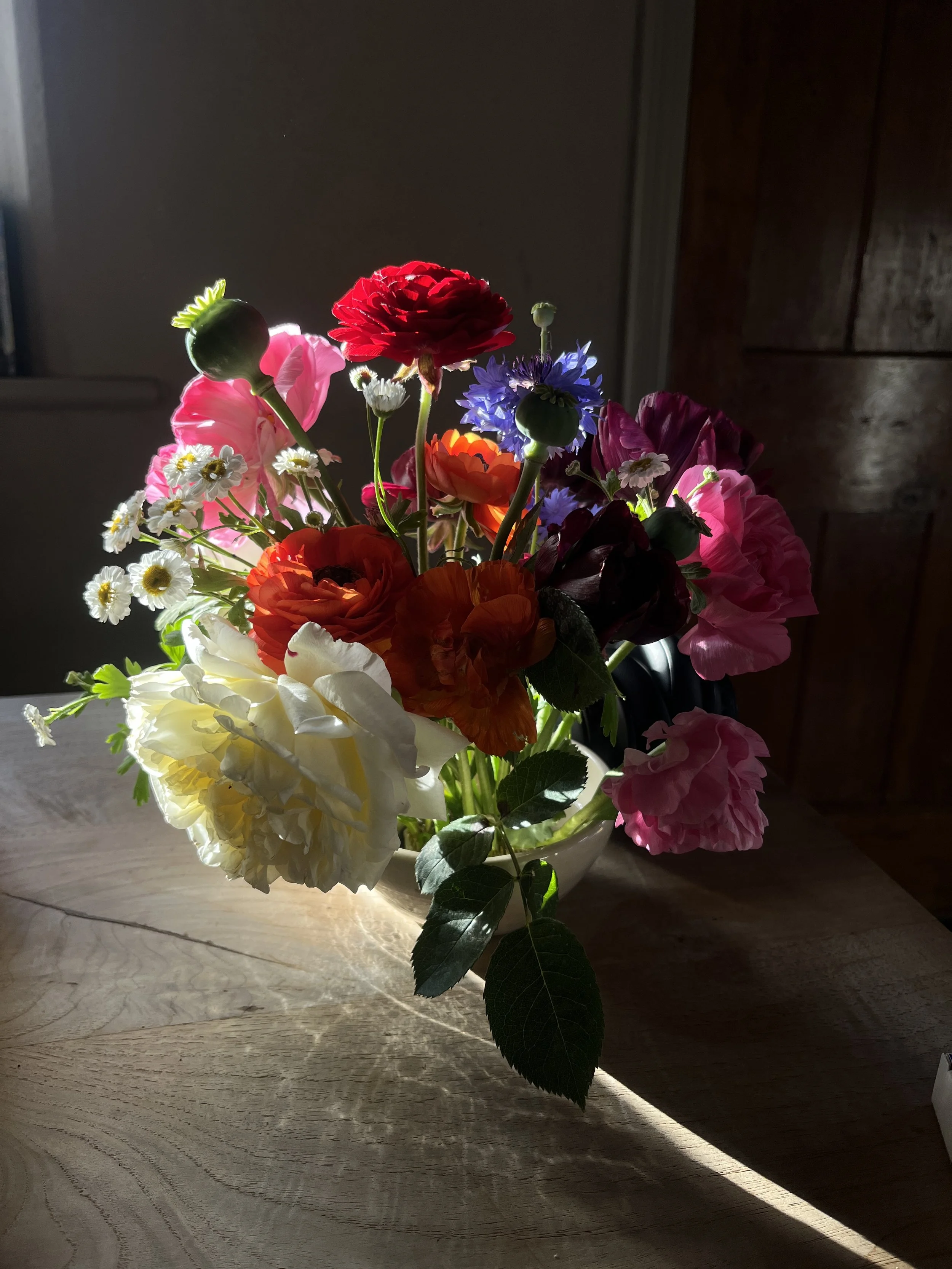
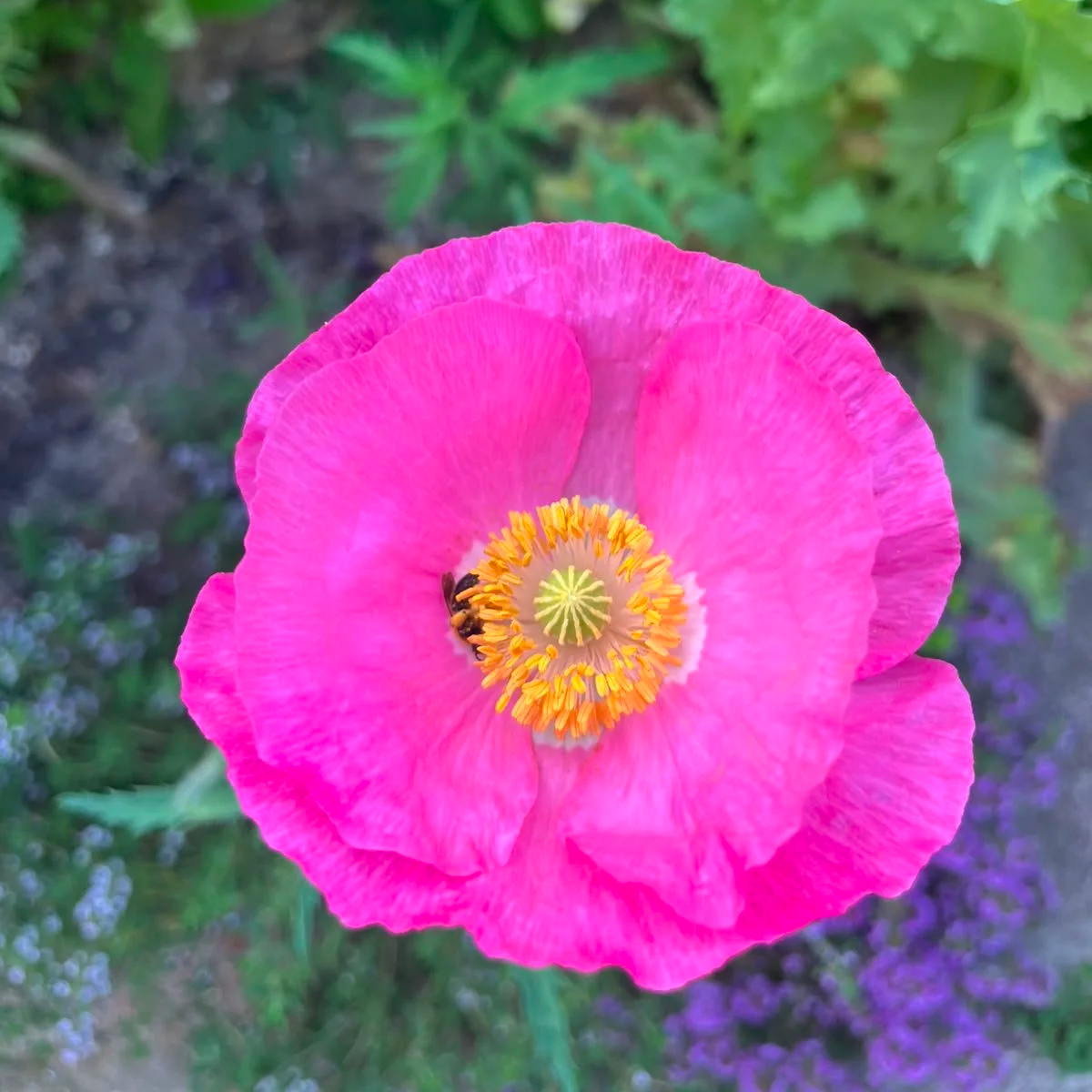
Our garden has since become a place of experimentation and discovery. The colours, diversity, and textures are simply beautiful, and as a novice gardener, it's incredibly exciting to see what emerges each week. The garden is constantly alive with bees and other insects, and every day something new is unfolding. It's been a wonderful reminder of how quickly nature can respond when given the opportunity.
Sand Garden
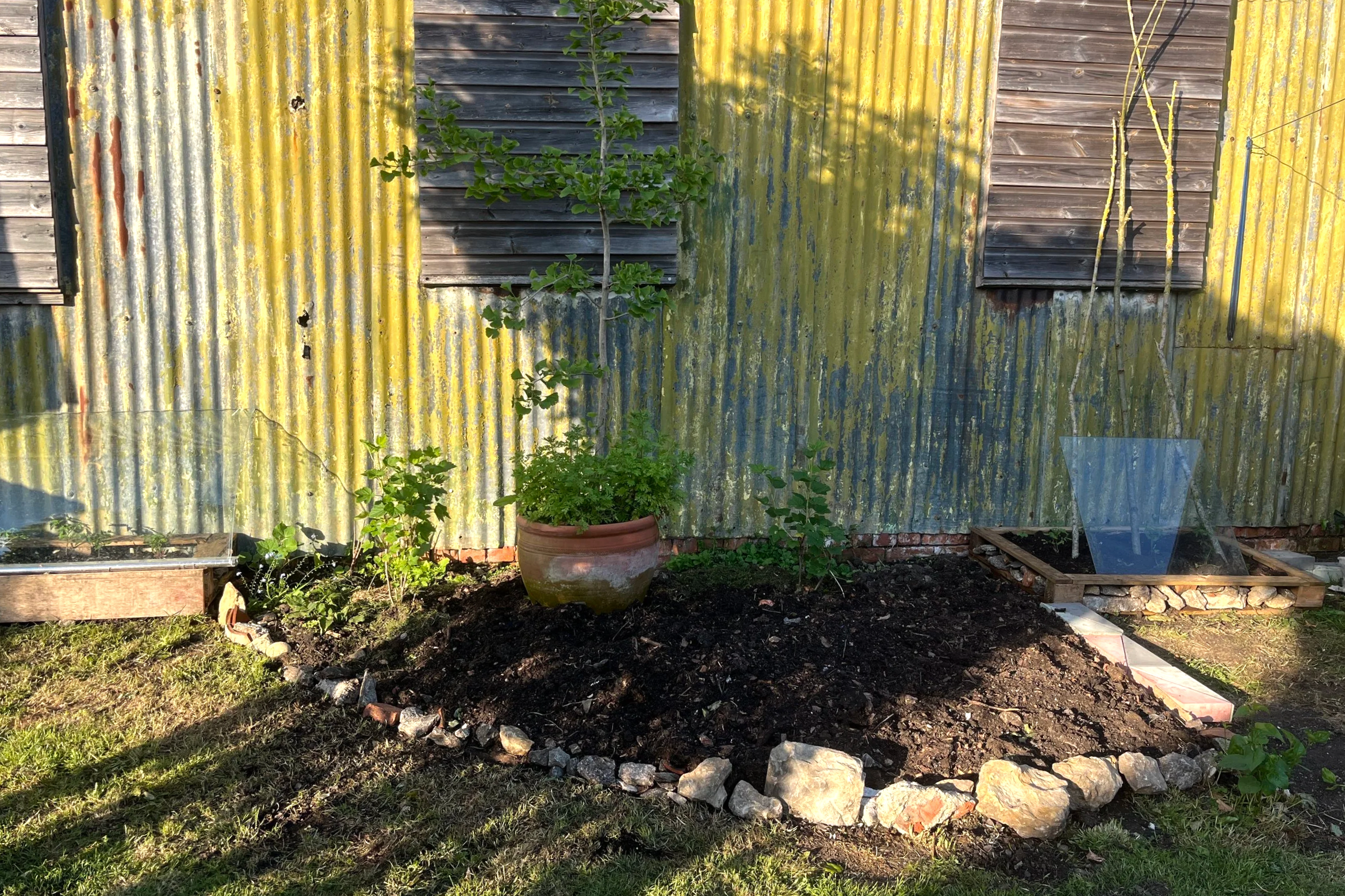
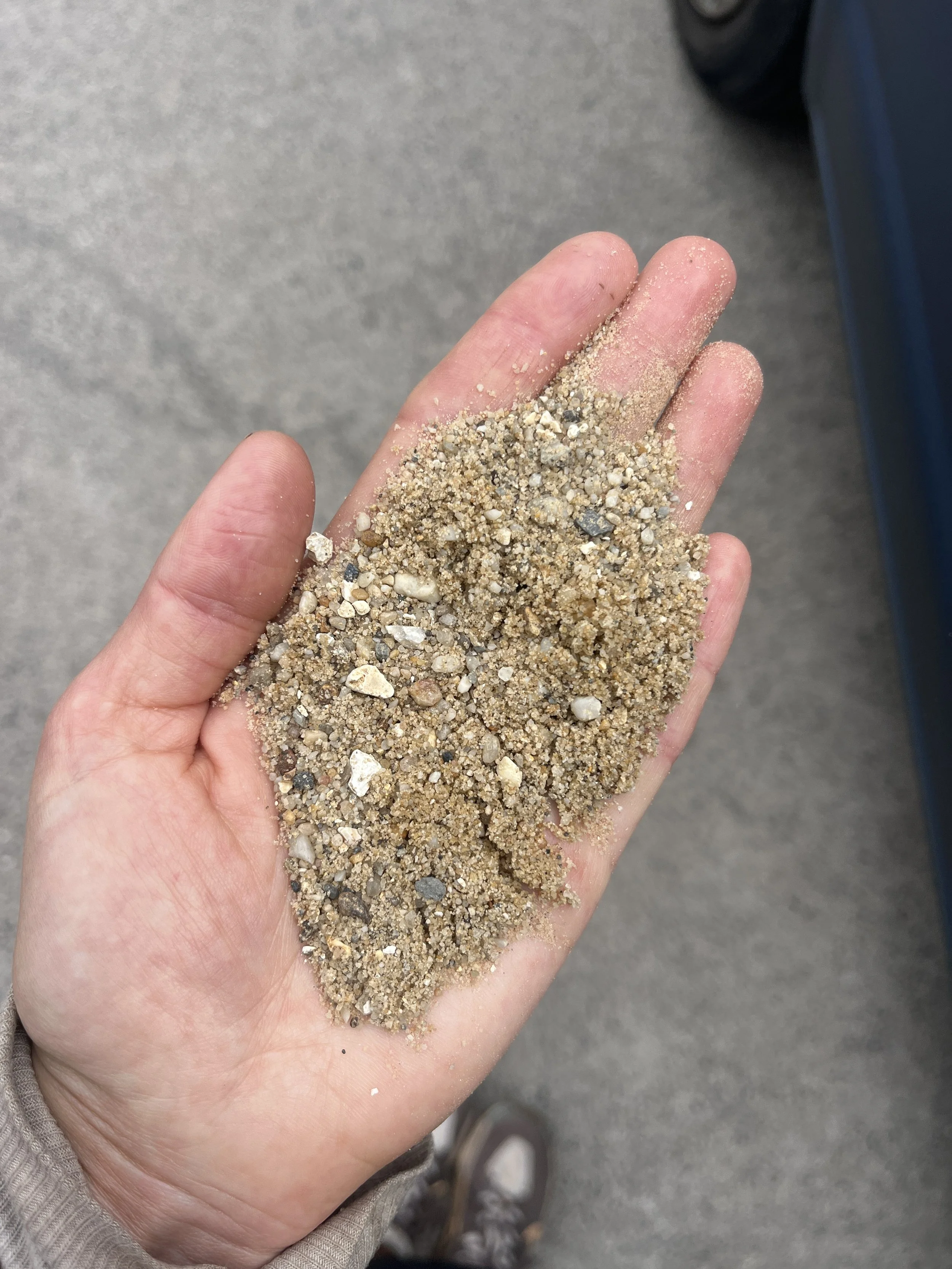
Inspired by West Dean's sand garden and the work of Tom Brown, we decided to create our own dry sand garden along the front path of our house- a spot that receives full sun throughout the day. Back in February Maeve Polkinhorn very kindly sent us a quick sketch (thank you, Maeve!) with some ideas for a lavender-lined path, and one tonne of sharp sand later, our sand garden came to life.
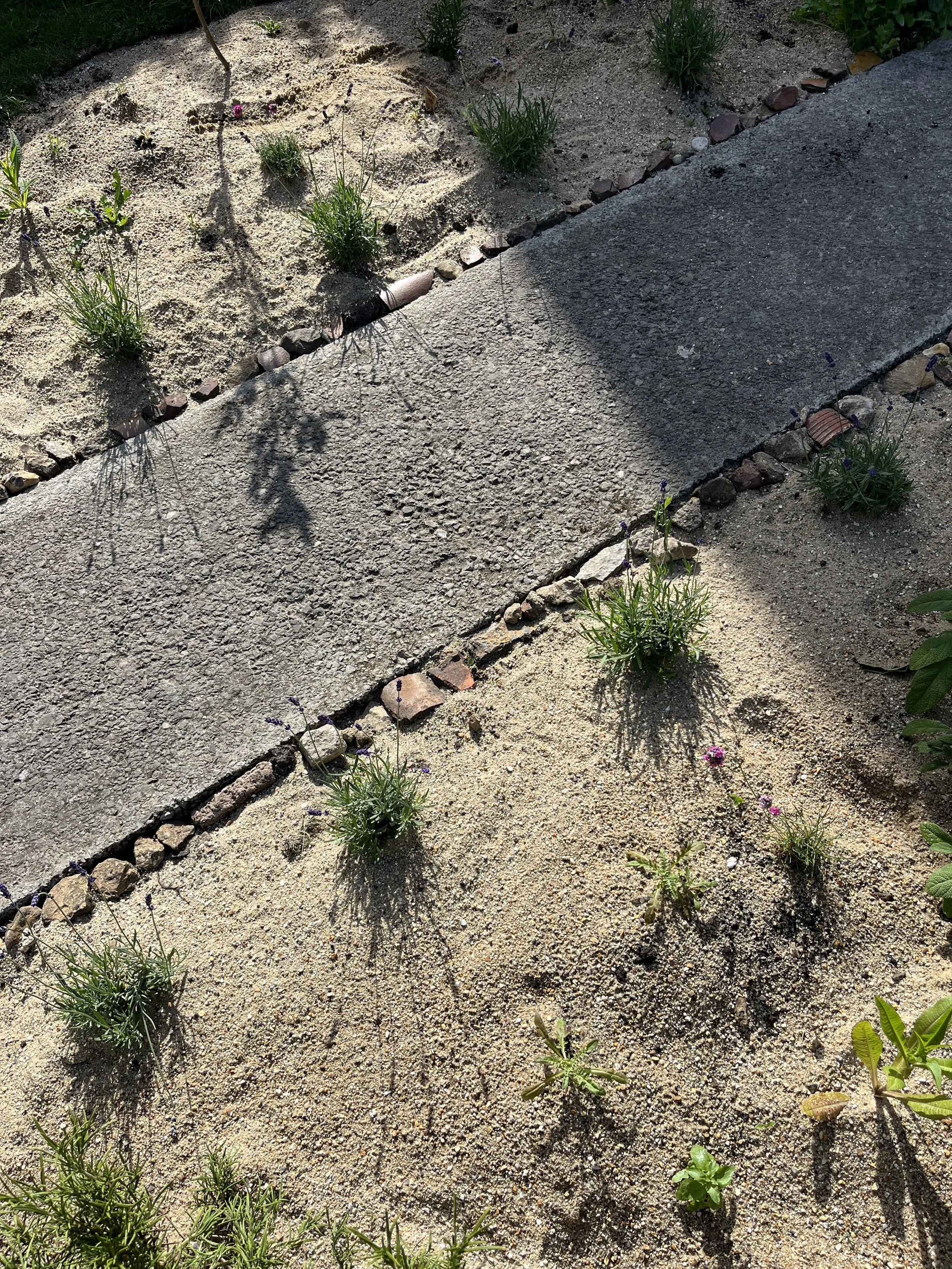
Every plant we've chosen is drought-tolerant with a Mediterranean feel, planted into a 10cm layer of sharp sand. Once established, the garden should require very little watering, making it both beautiful and resilient. One of the things I love most about this style of planting is that every plant is given the space, showing its own natural form. Rather than competing for attention, each one has room to grow, creating a composition that feels calm, sculptural, and balanced. We also love how the warm colour of the sand sets off the planting and complements the golden local Ham stone of our Victorian house.
We planted everything in May and June, and we've been amazed at how quickly the plants have established and grown. Watching the garden develop has been such a joy, and we're looking forward to sharing its progress over the coming year for anyone interested in following our experiment.
The photographs show the transformation from February to June 2026. Our local builders' merchant looked more than a little puzzled when we asked for a one-tonne bag of sharp sand to make a garden (sharp sand is usually hidden below another material as a substrate).
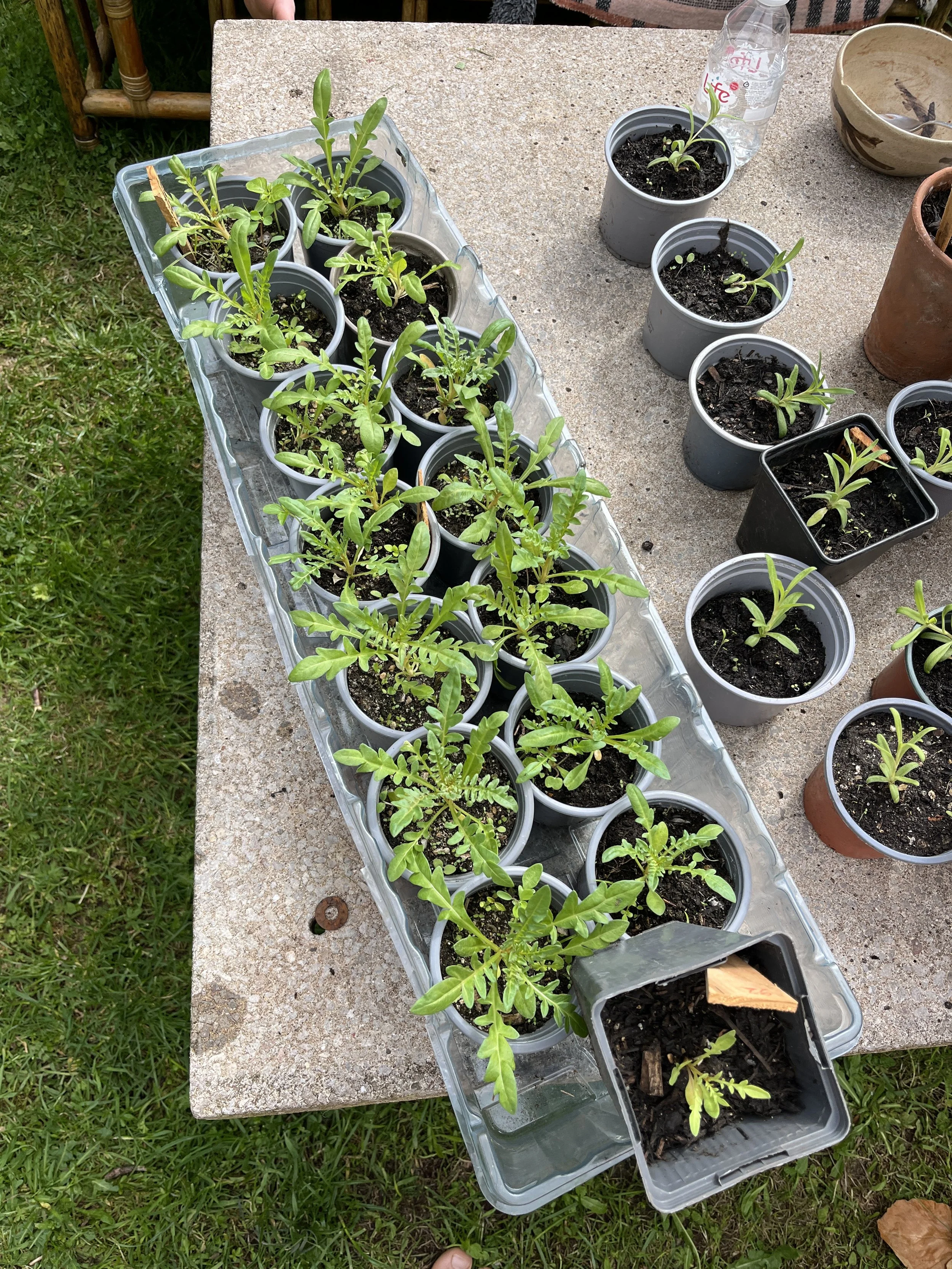
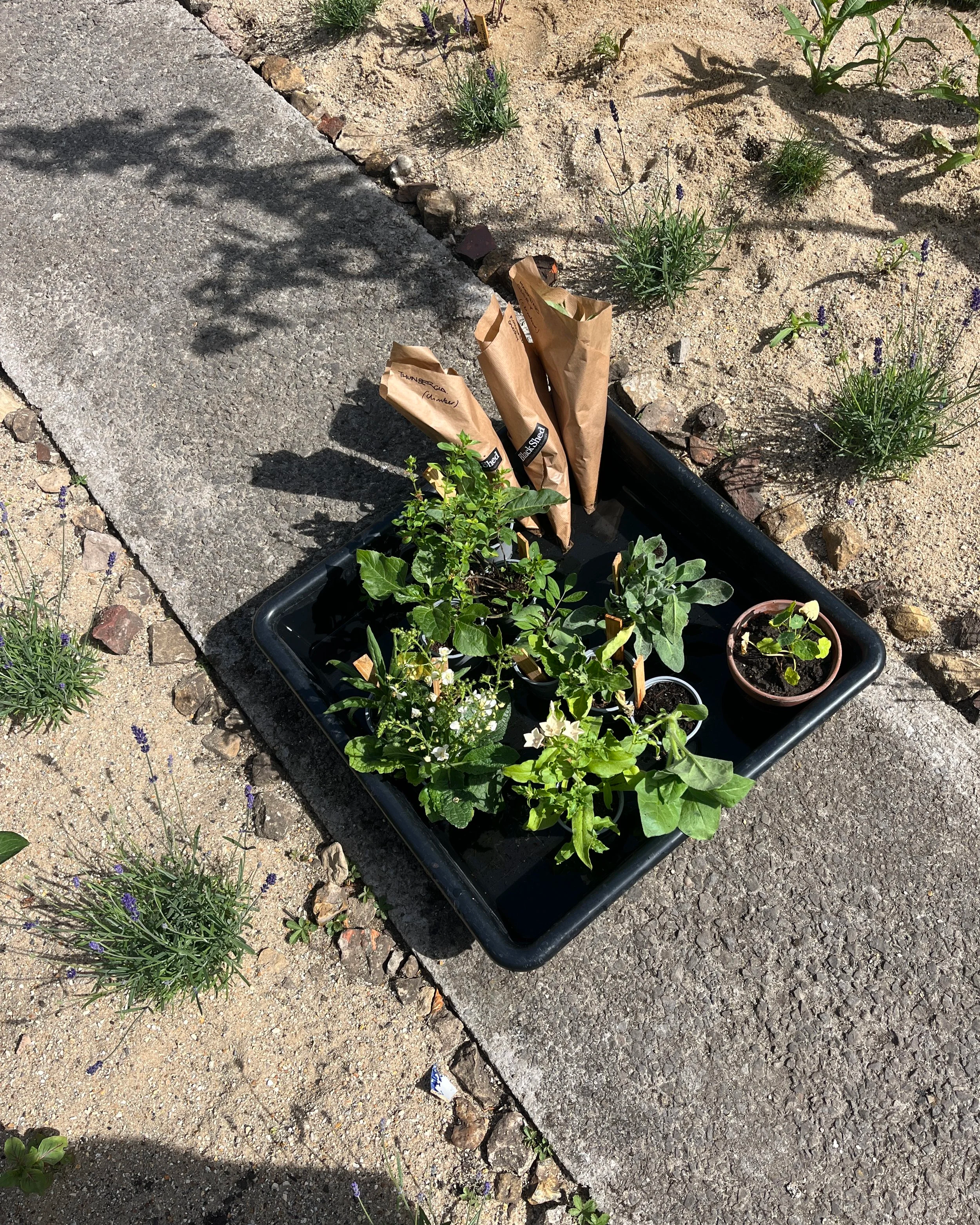
The final image shows Reseda alba seedlings, grown from seed from Black Shed Flowers, ready for planting in June 2026.
Planting April / May 2026
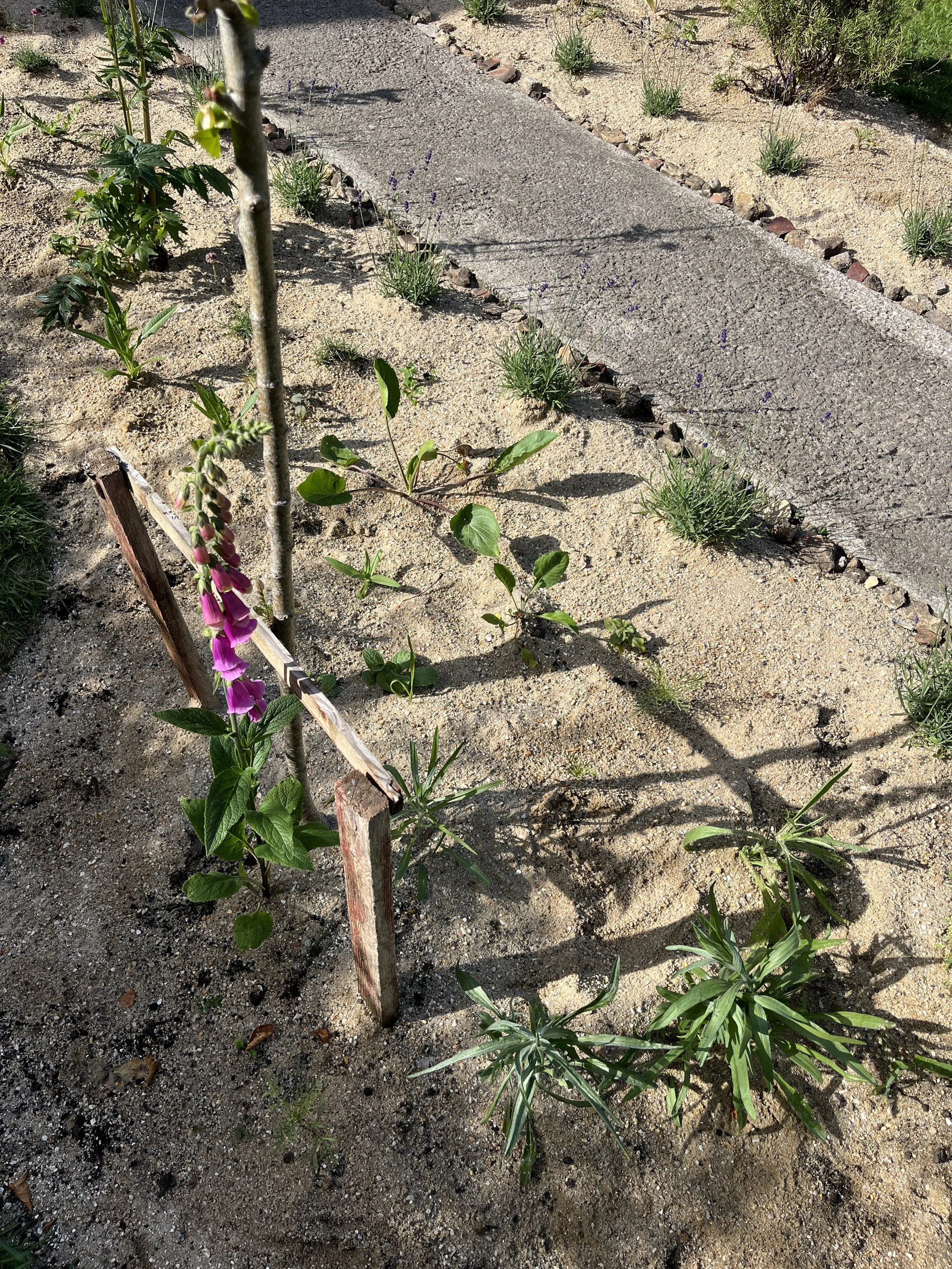
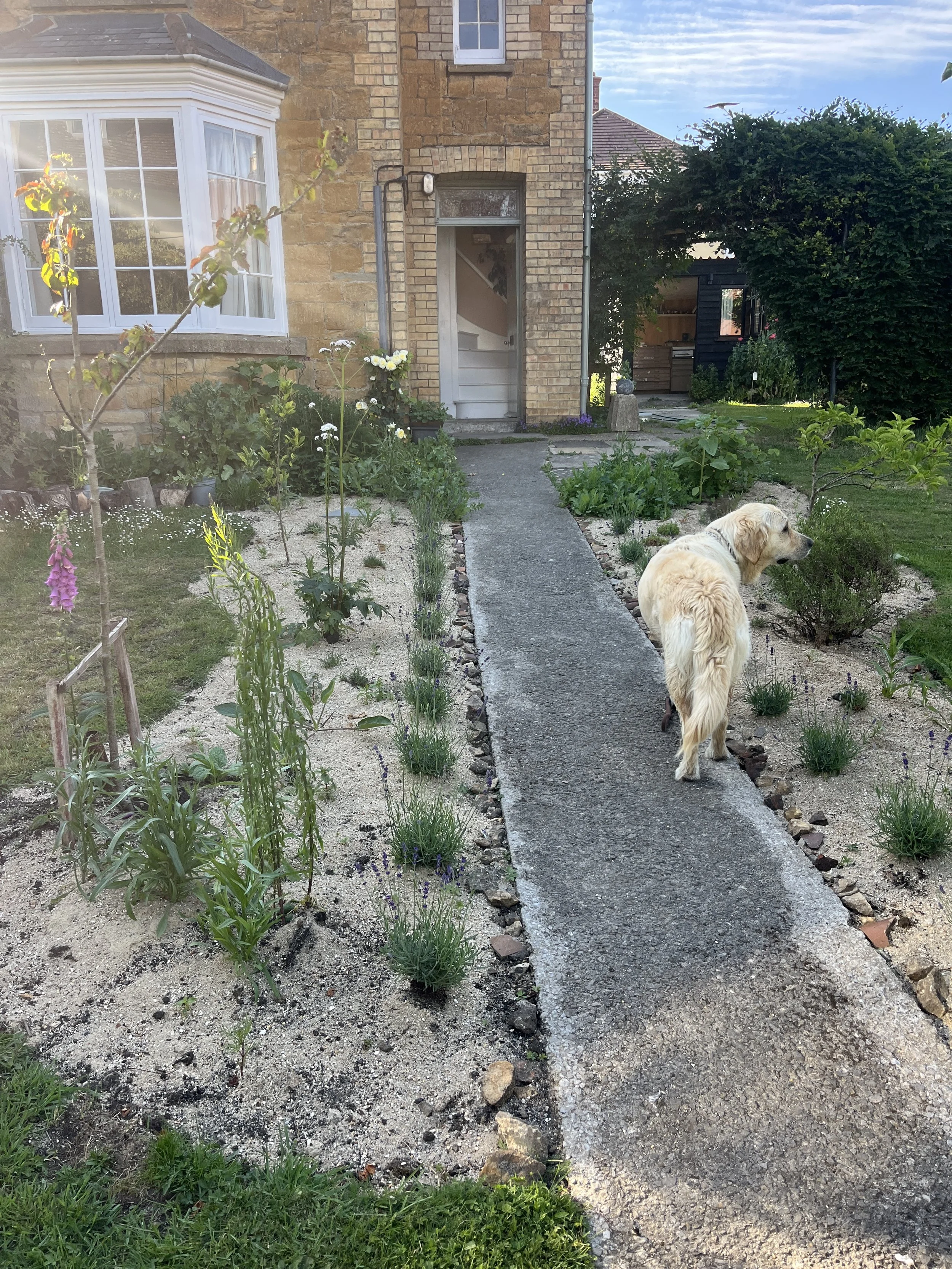
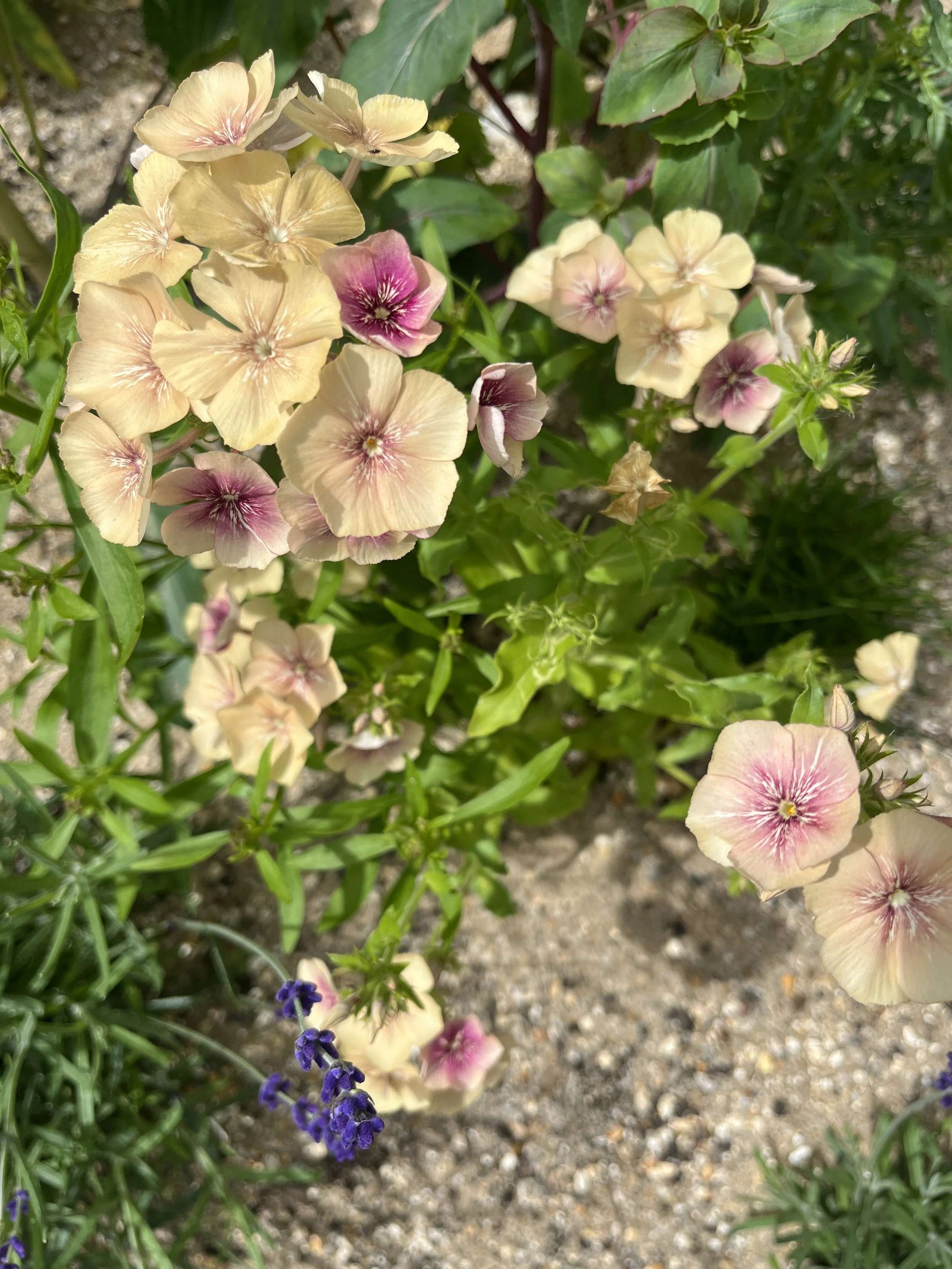
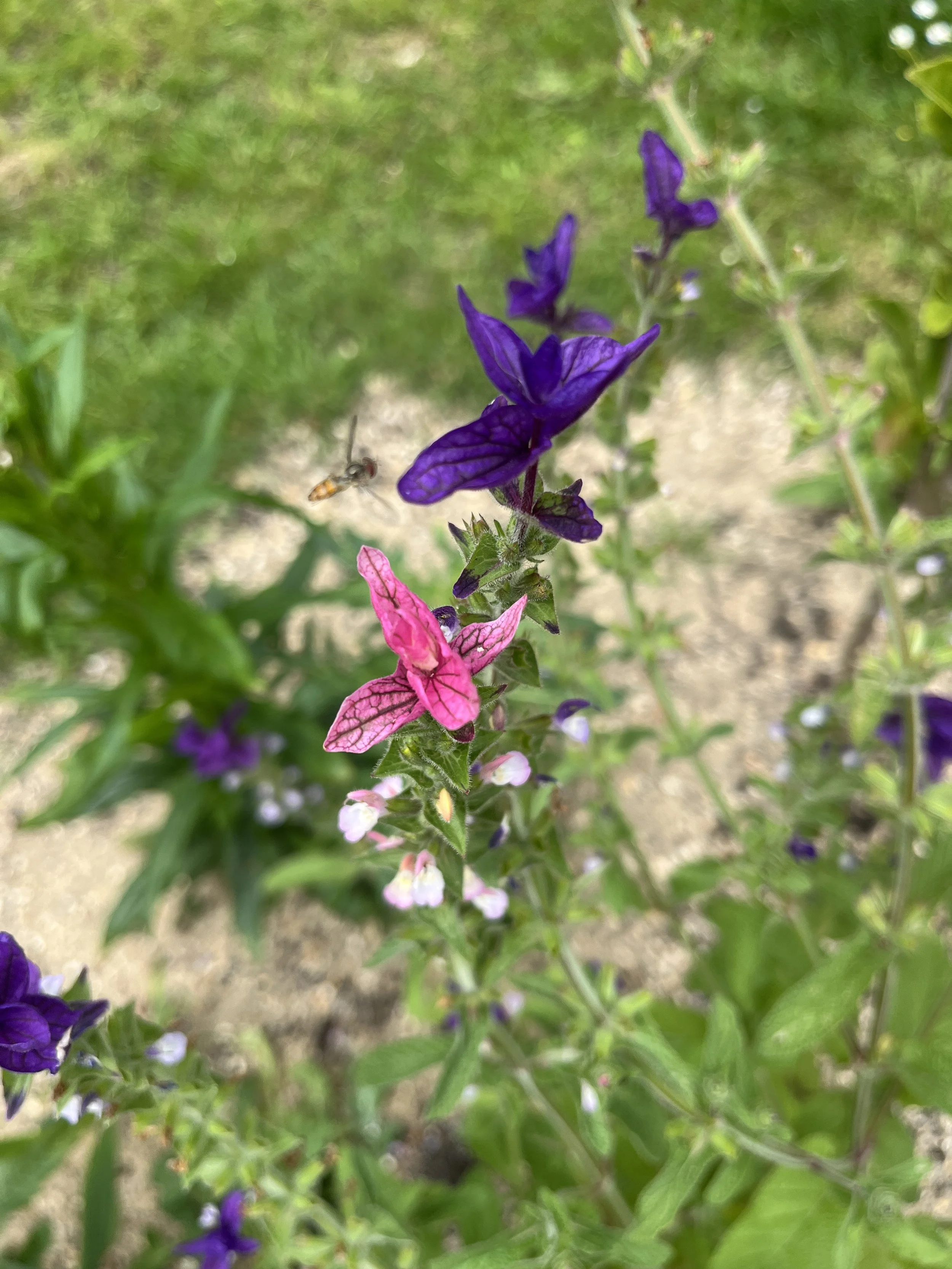
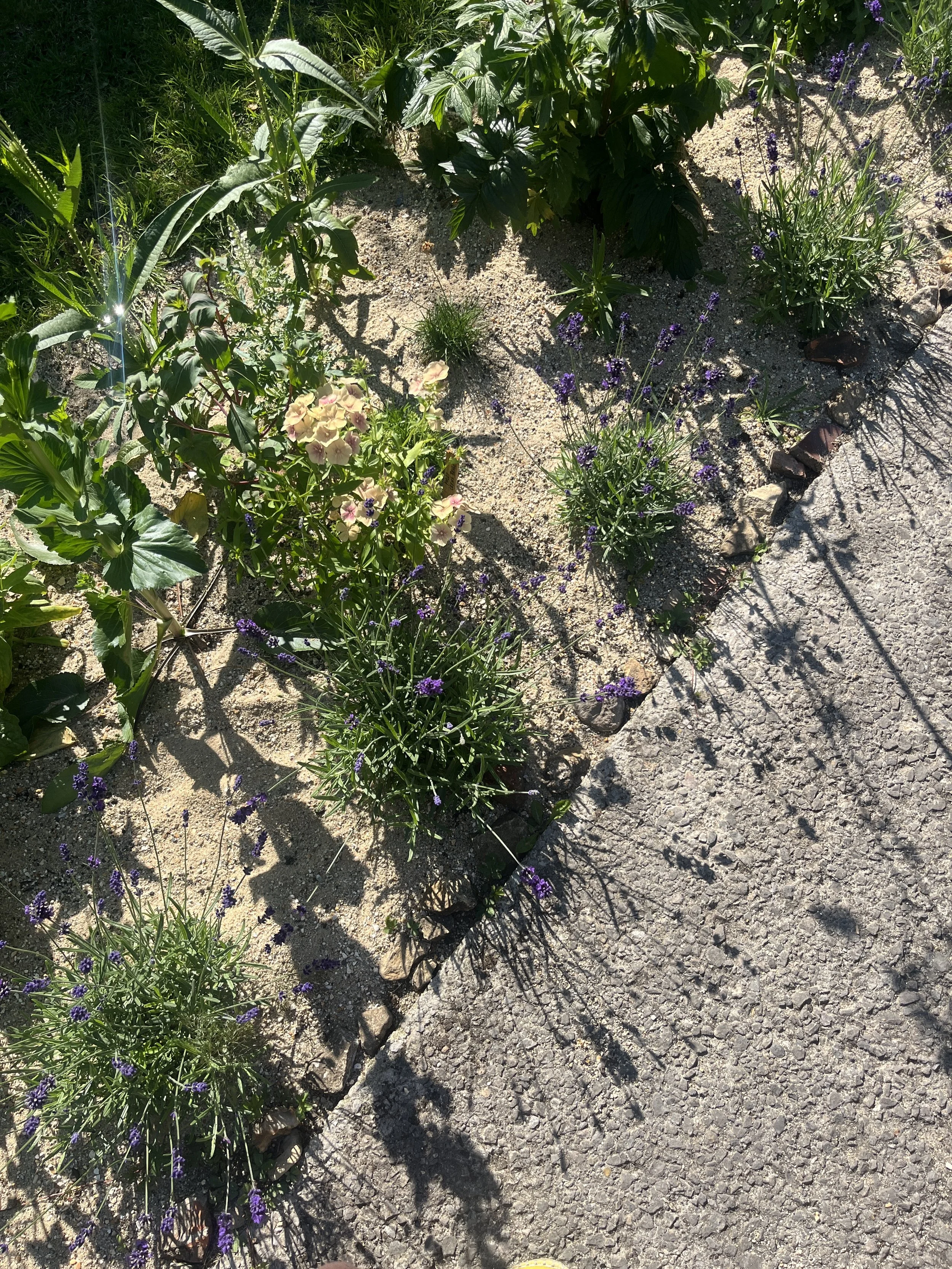
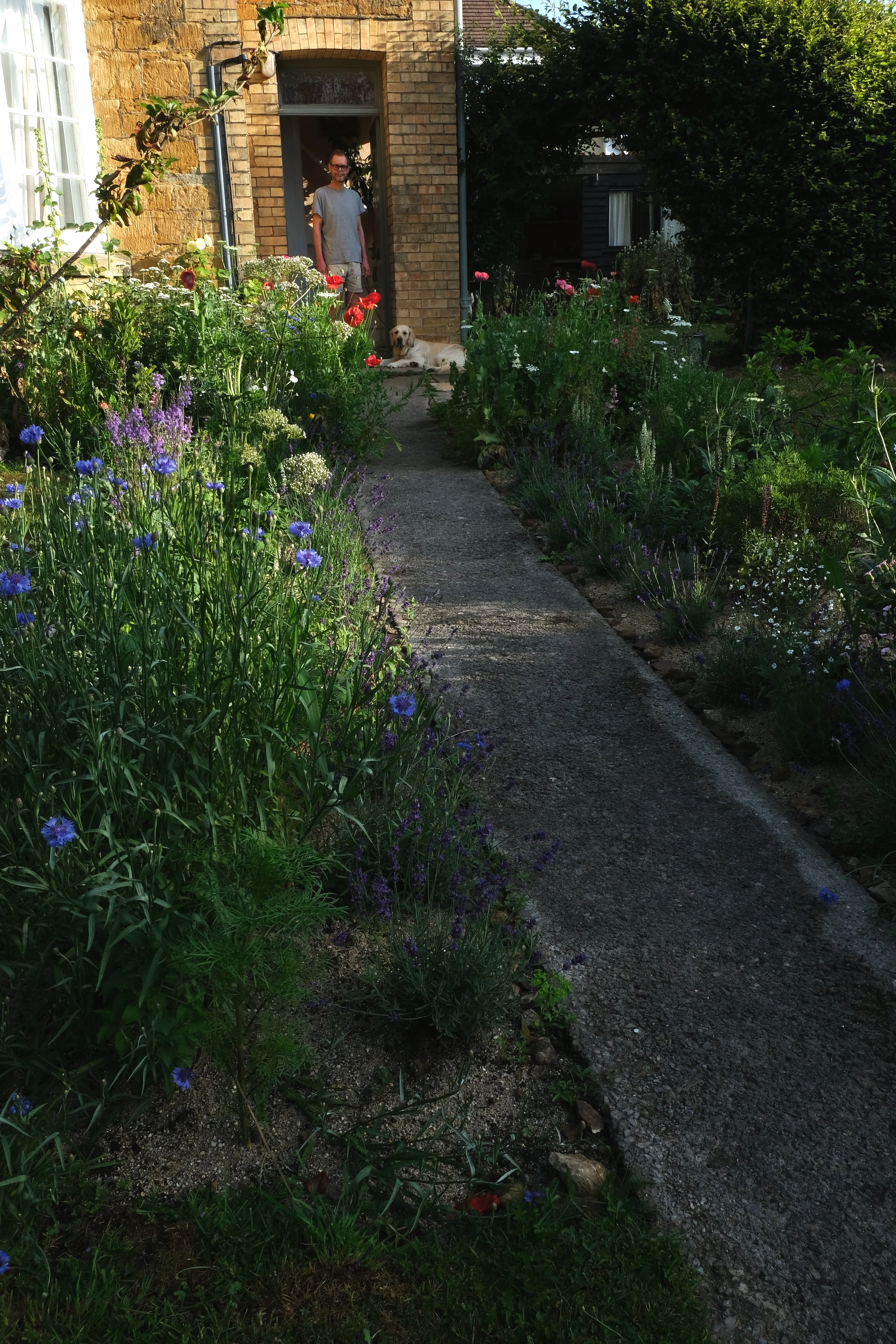
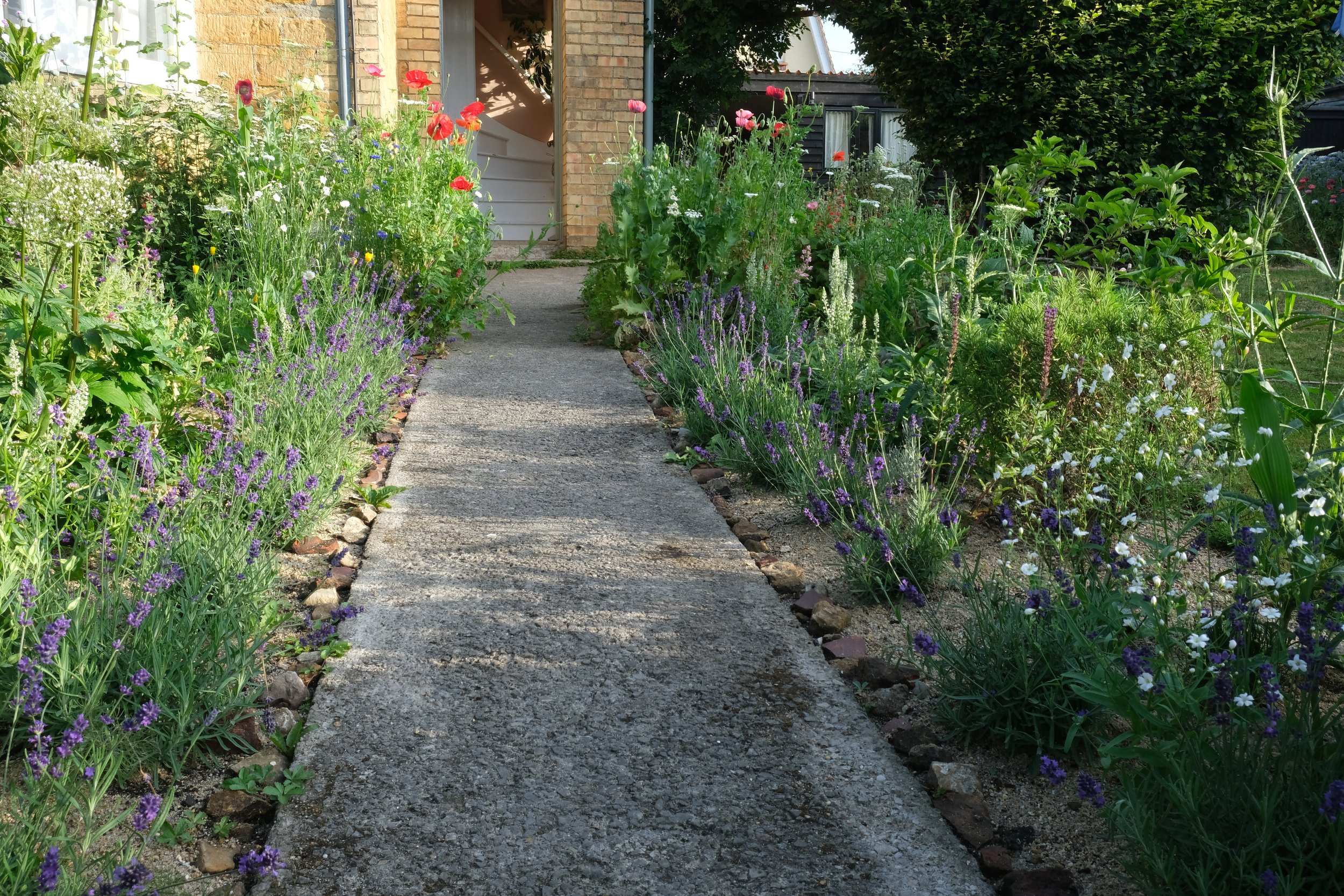
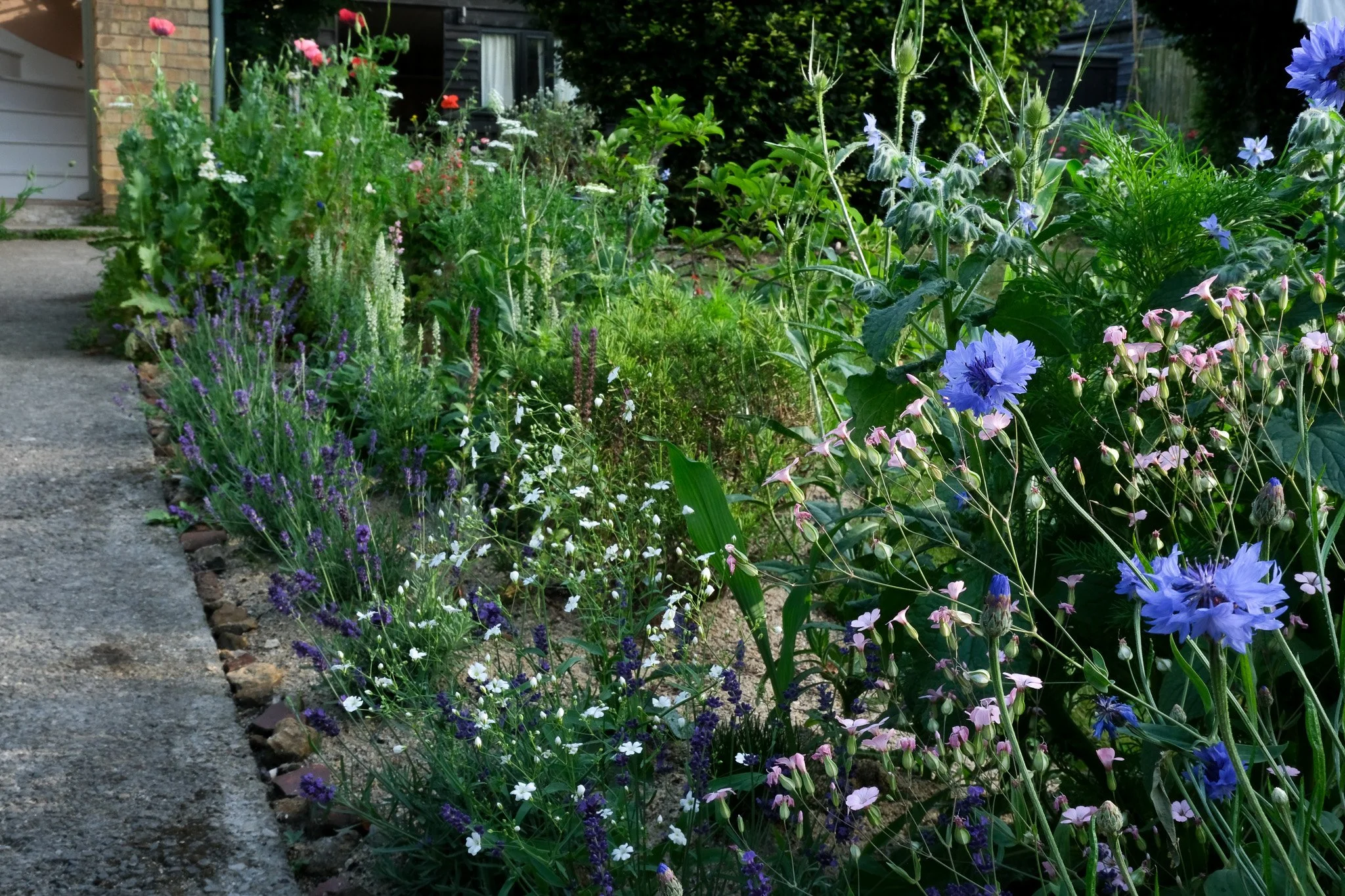
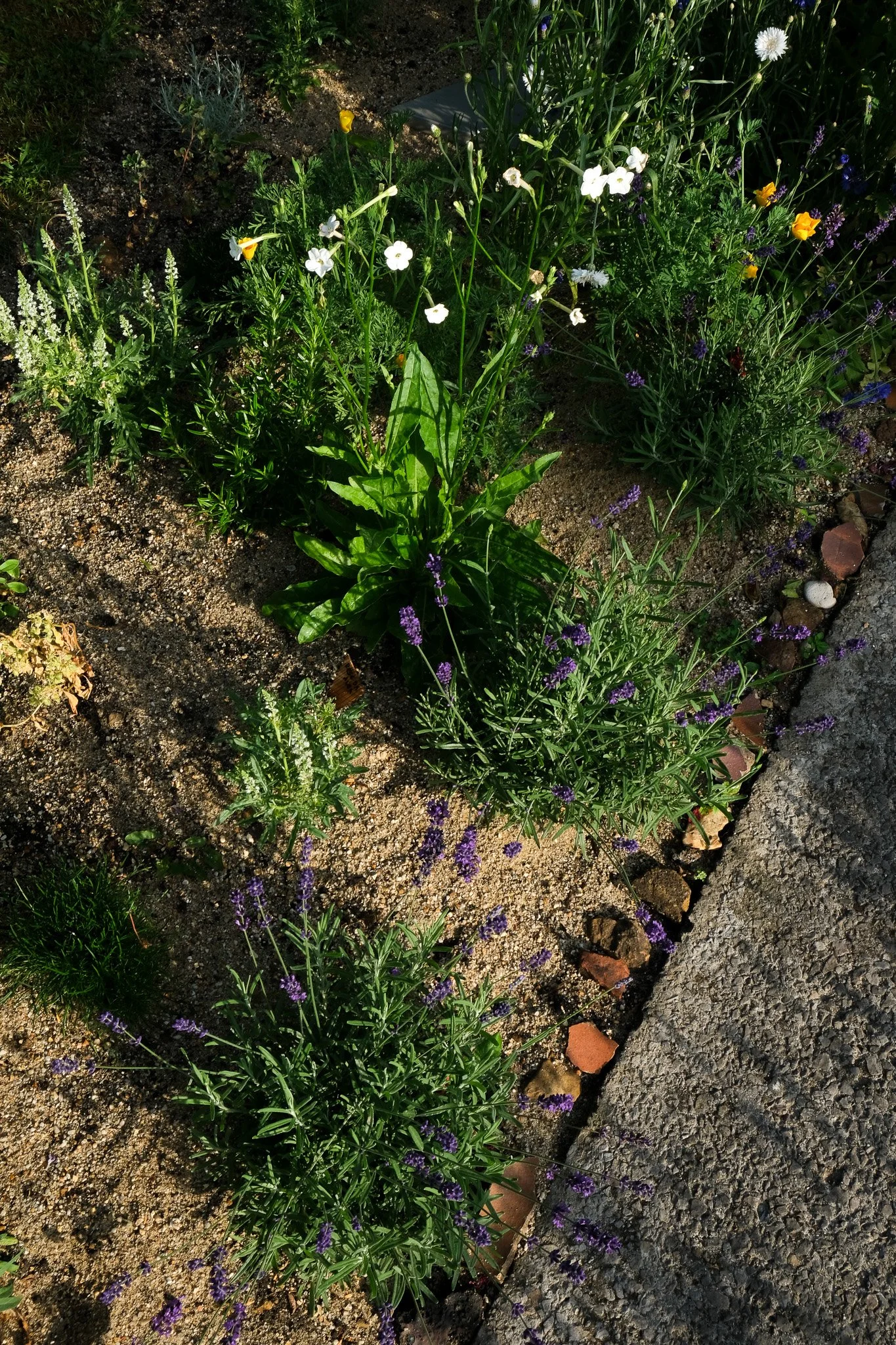
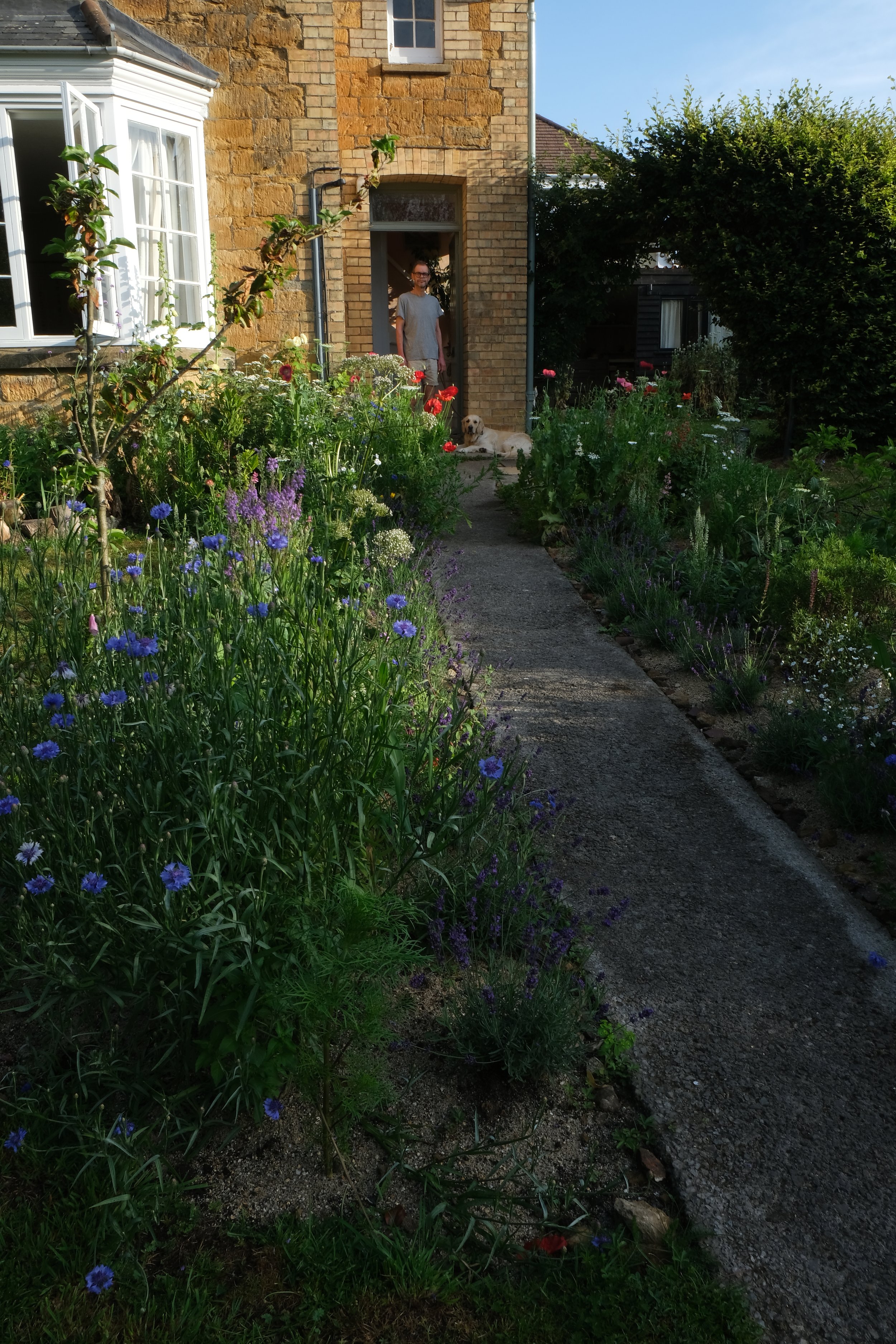
Sand garden border June 2026
It’s amazing how happy the plants are and how quickly they have grown.
Poppy Petal Emulsion (from Pictorial Meadow seeds)
Since October, the plants have inspired me to experiment more generally at home in my garden studio. These photos show anthotype printing; using plant emulsions to create photographic prints.
Exploring the darkroom on our doorstep.
Anthotype is a historical, delicate photographic process and an environmentally friendly way of making prints using nothing other than the photosensitive material of plants found in the garden, the flower market or in the wild. We utilise natures’ own colouring pigments to produce photographs that have virtually zero impact on the environment.This is a very sensitive and gentle technique that uses no chemicals or cameras, just plants and the sunshine. The emulsions are not ususally colour fast (with a few exceptions) and will slowly fade over time. One thing I love about anthotype is the impermanent nature of the images; the fleeting nature of the prints are like the seasons and the plants themselves.
I’m really enjoying experimenting with different flowers and herbs and will share more about these tests soon.
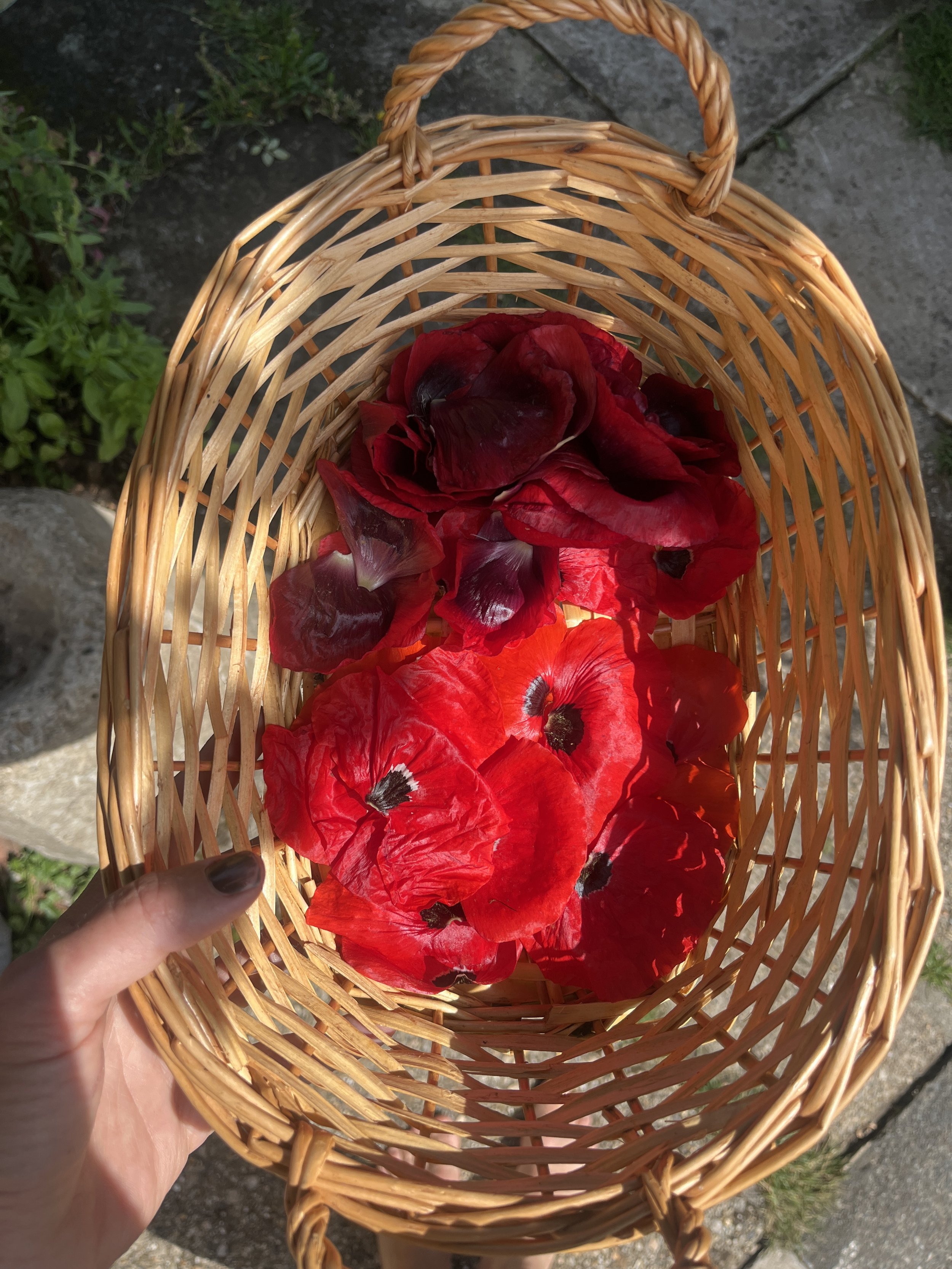
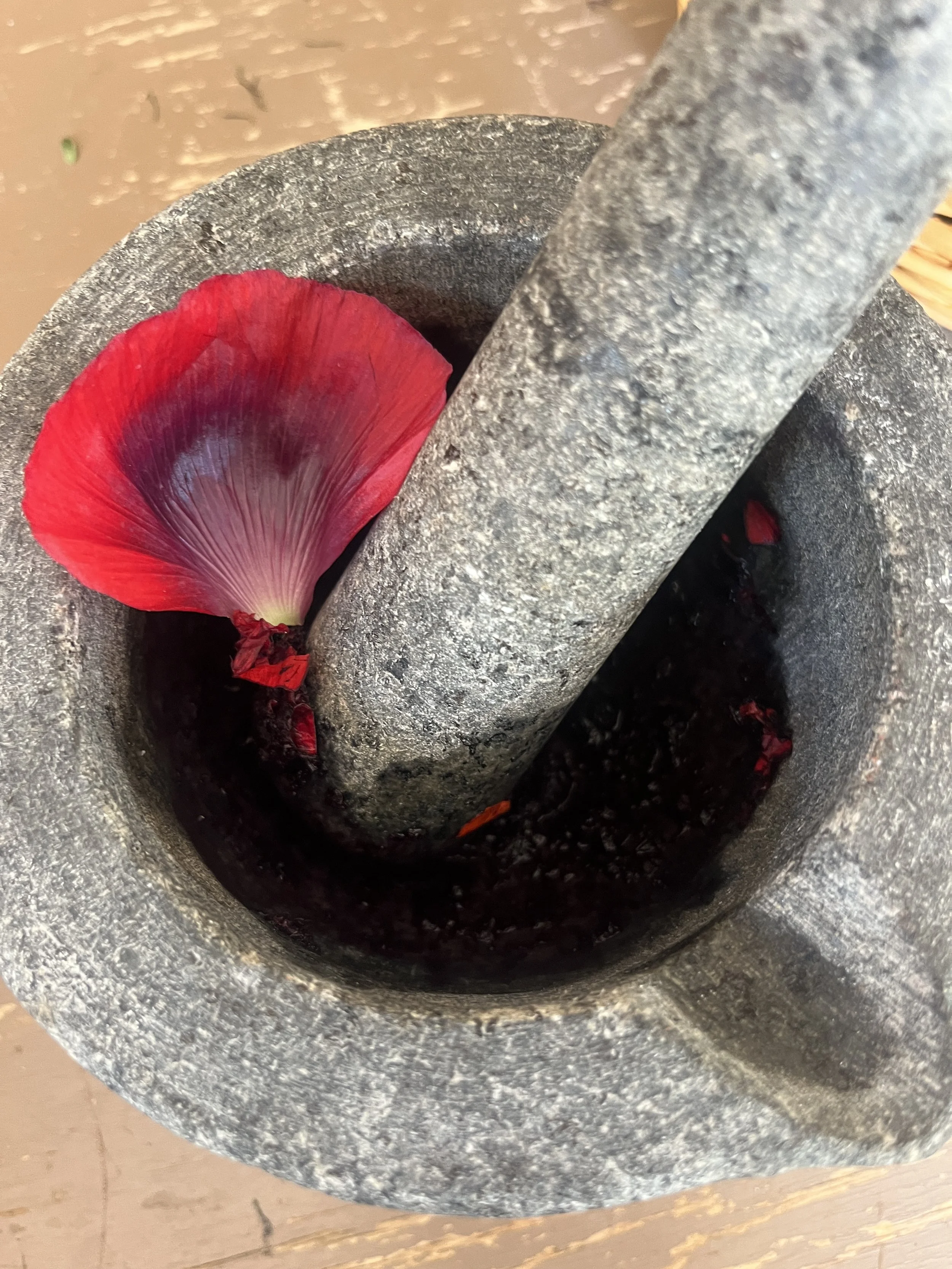
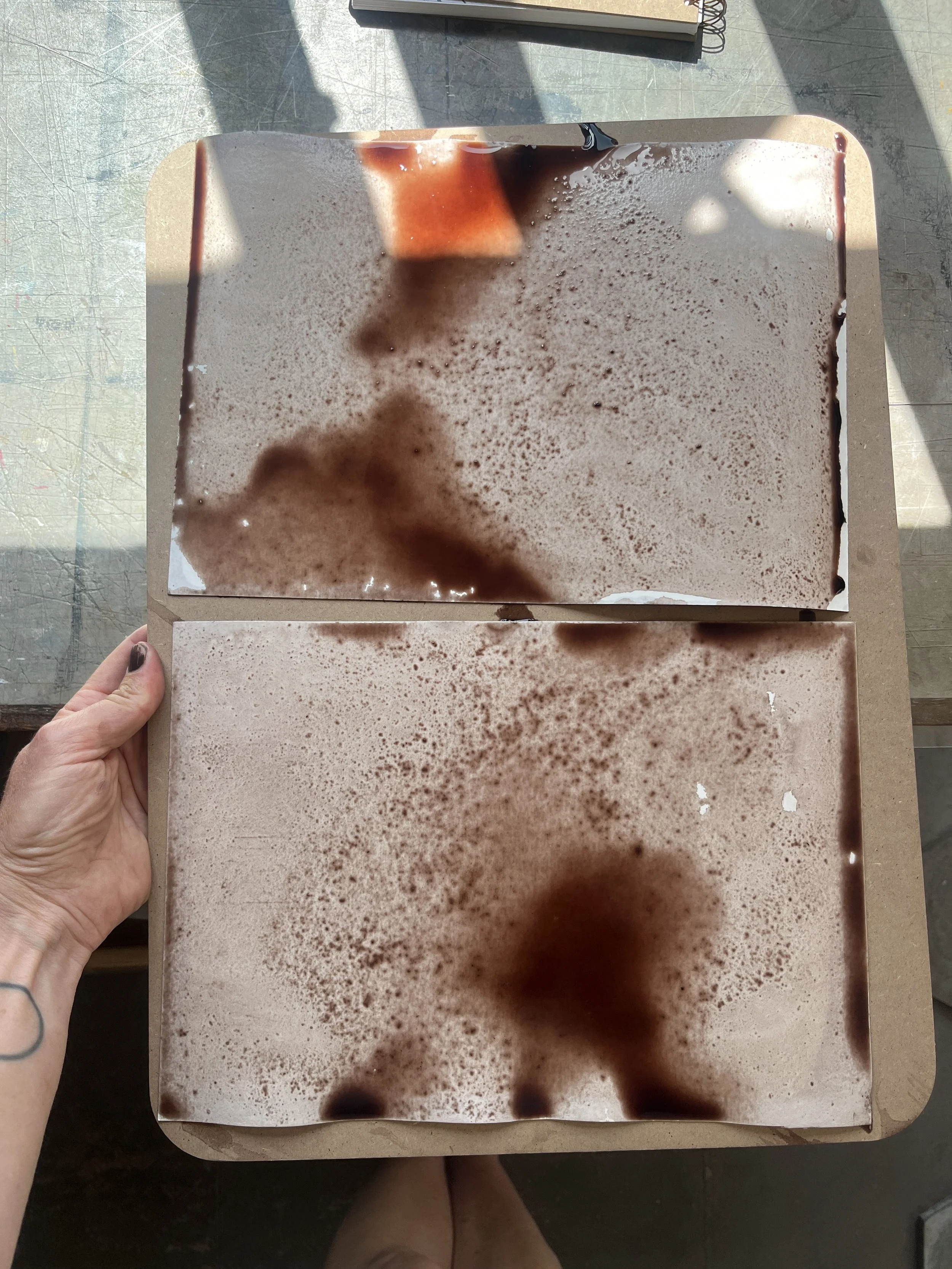
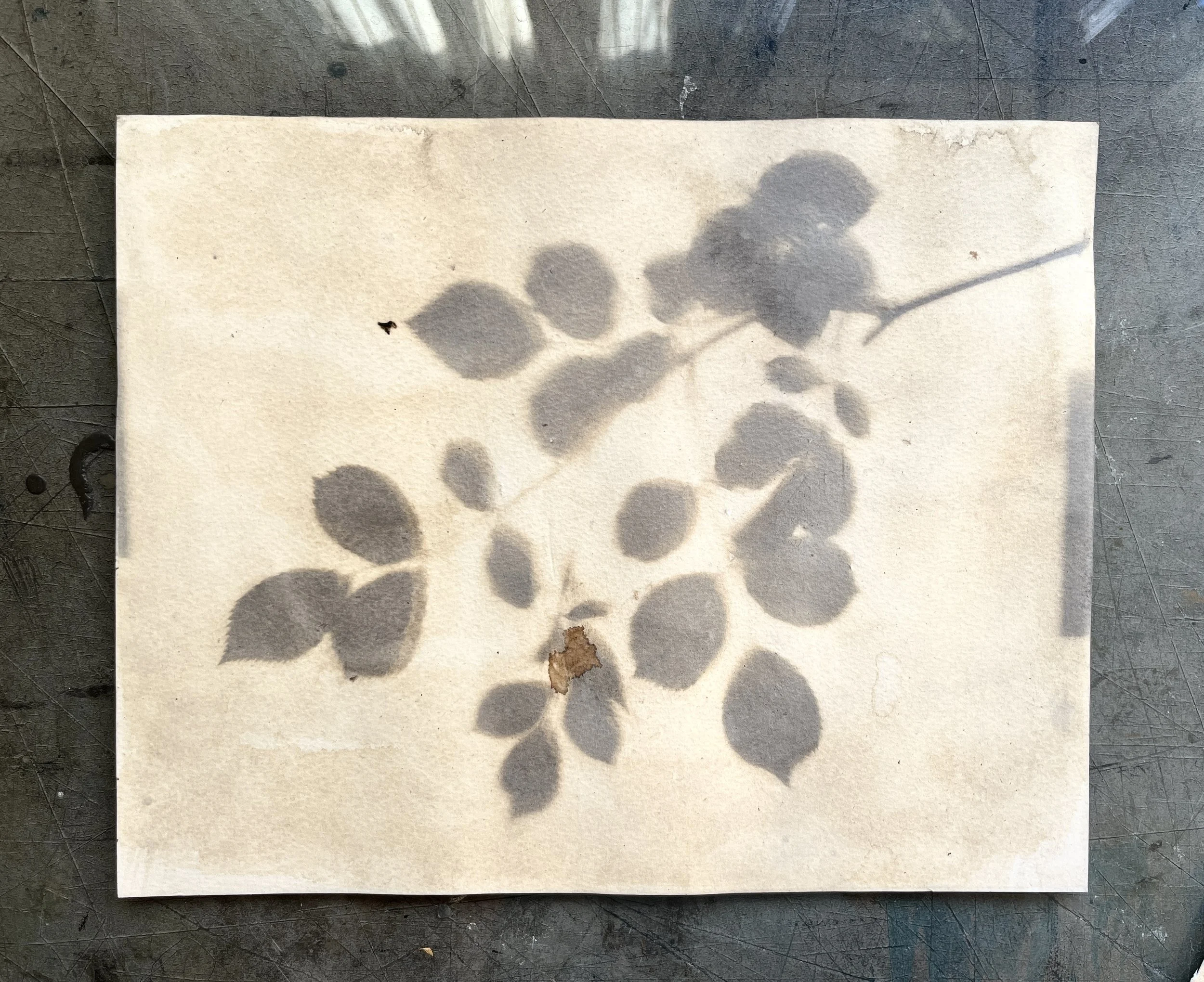
Anthoype print test, June 2026.
rose, poppy petal emulsion
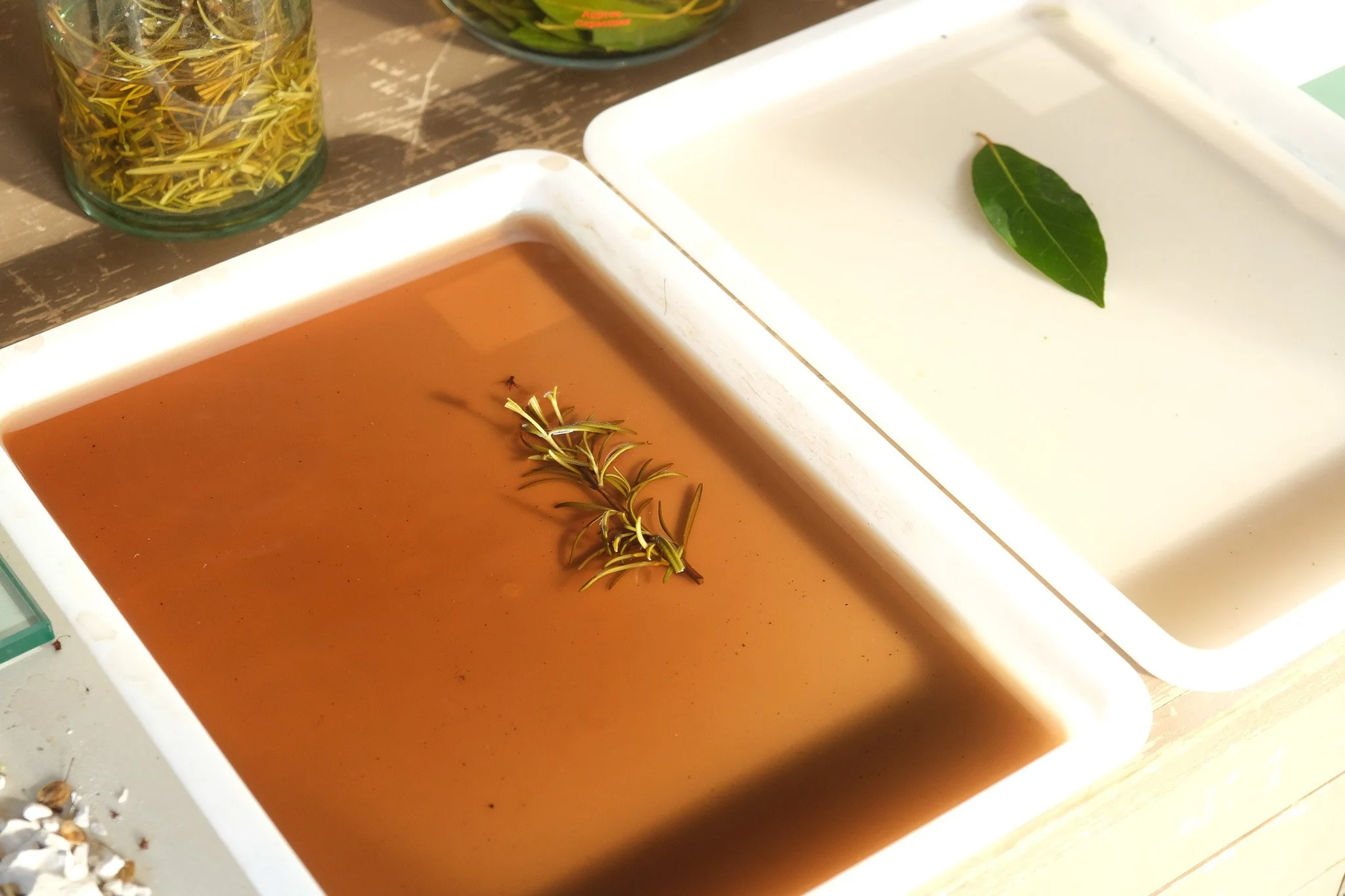
My garden studio with inks and pigments from plants and geology and rosemary and bay toners for cyanotype toning experiments. It’s interesting how the chemicals found within plants can shift the ph balance to create different colours and tones. This is something I am curious to find out more about. I am excited to make some plans to work with Simon Sandy’s - a old photography technician from my time studying at Brighton University who has become very interested in botanical processes within photography.
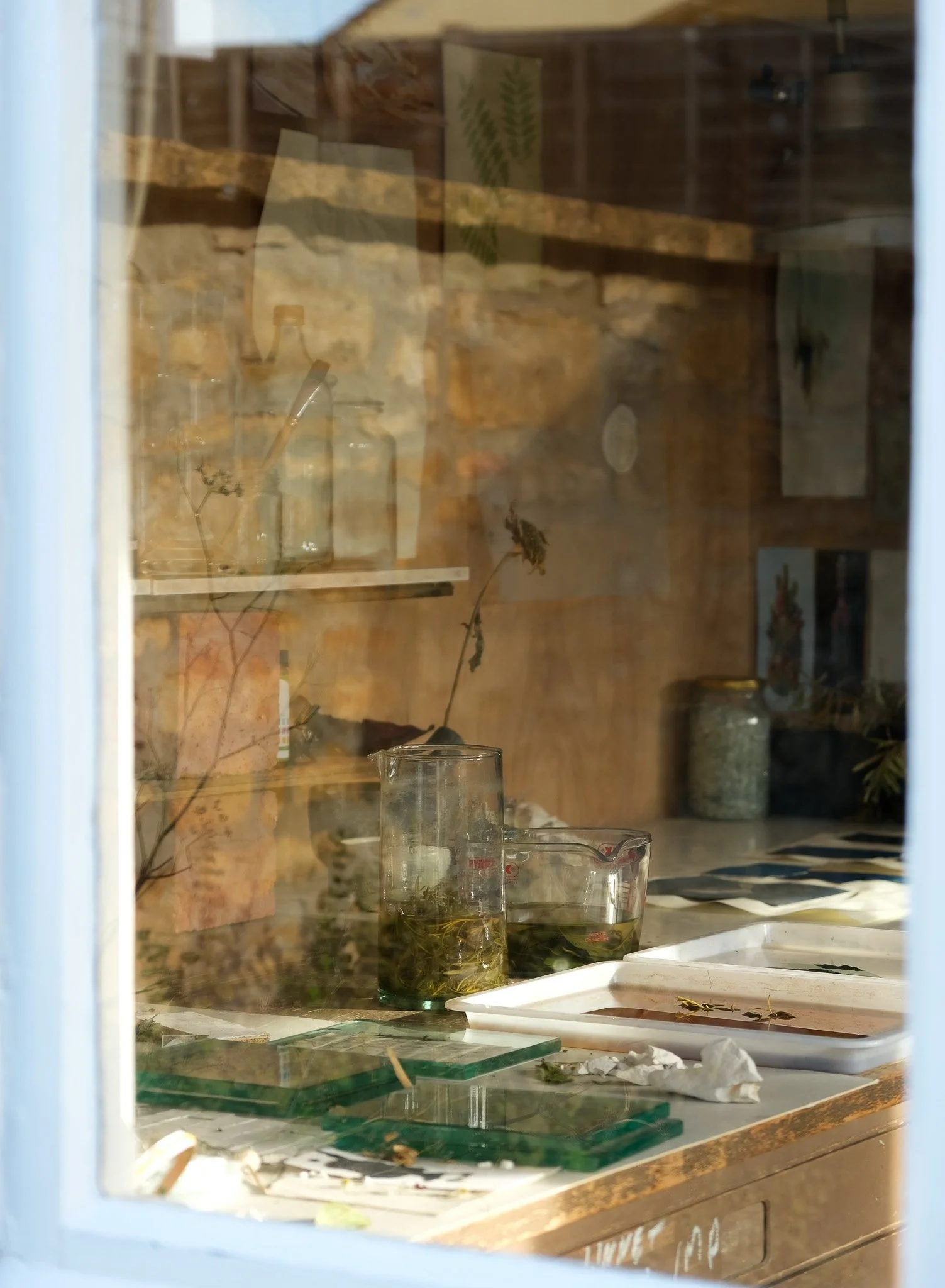
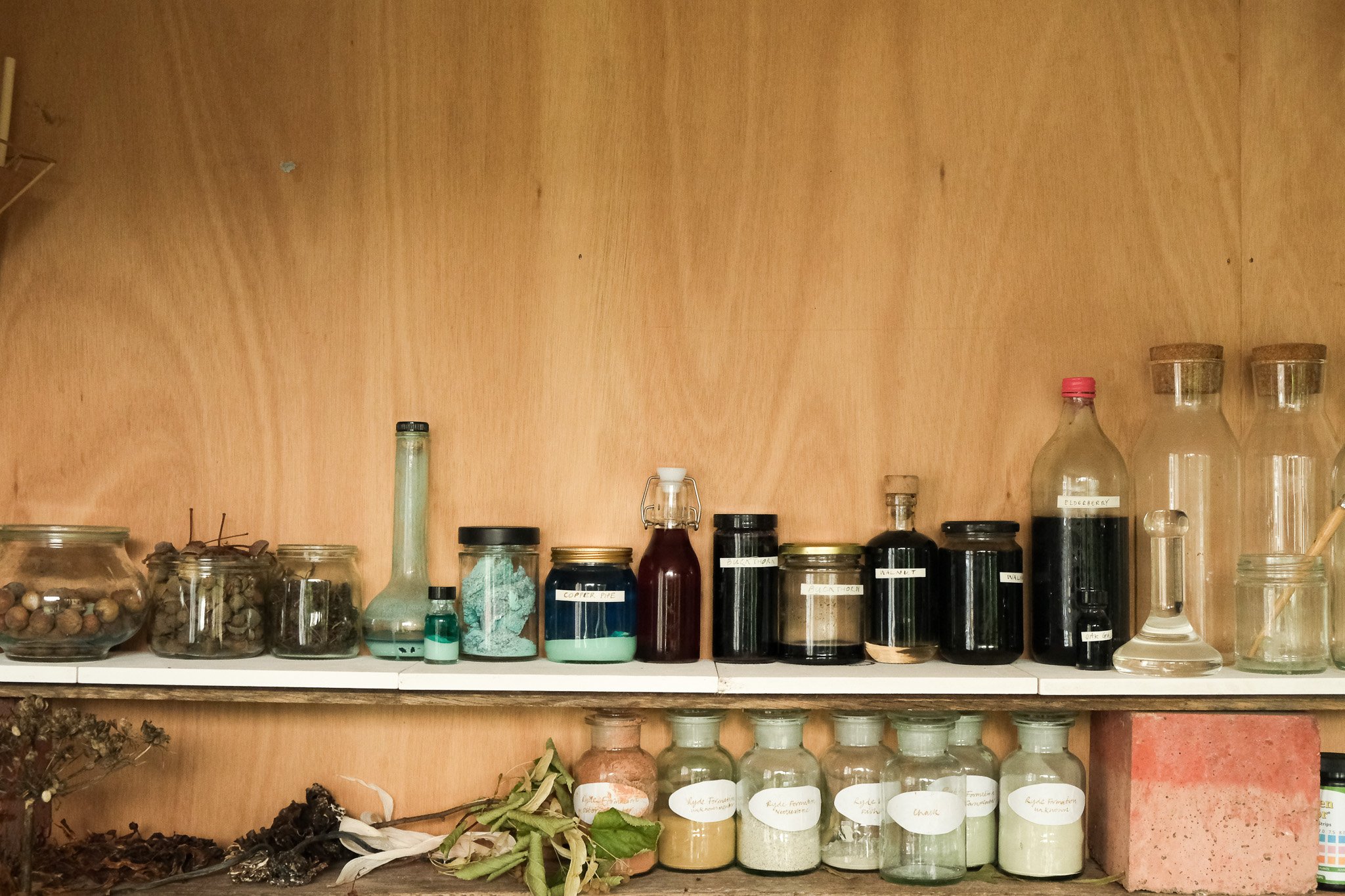
Thank you to all the friends and gardeners who have inspired us, shared their knowledge, and gifted us plants.
We're especially grateful to Black Shed Flowers for the many fascinating additions to our sand garden. When I told Paul and Helen that I was creating a sand garden, Paul disappeared for a little while before returning, beaming, with a tray full of unusual and interesting plants for us to plant.
We're also thankful to Glenholme Herbs for their wonderful lavender. We've been making tea from the herbs we've grown, and it's been a real joy to watch a thriving ecosystem establish itself and flourish in such a remarkably short space of time..
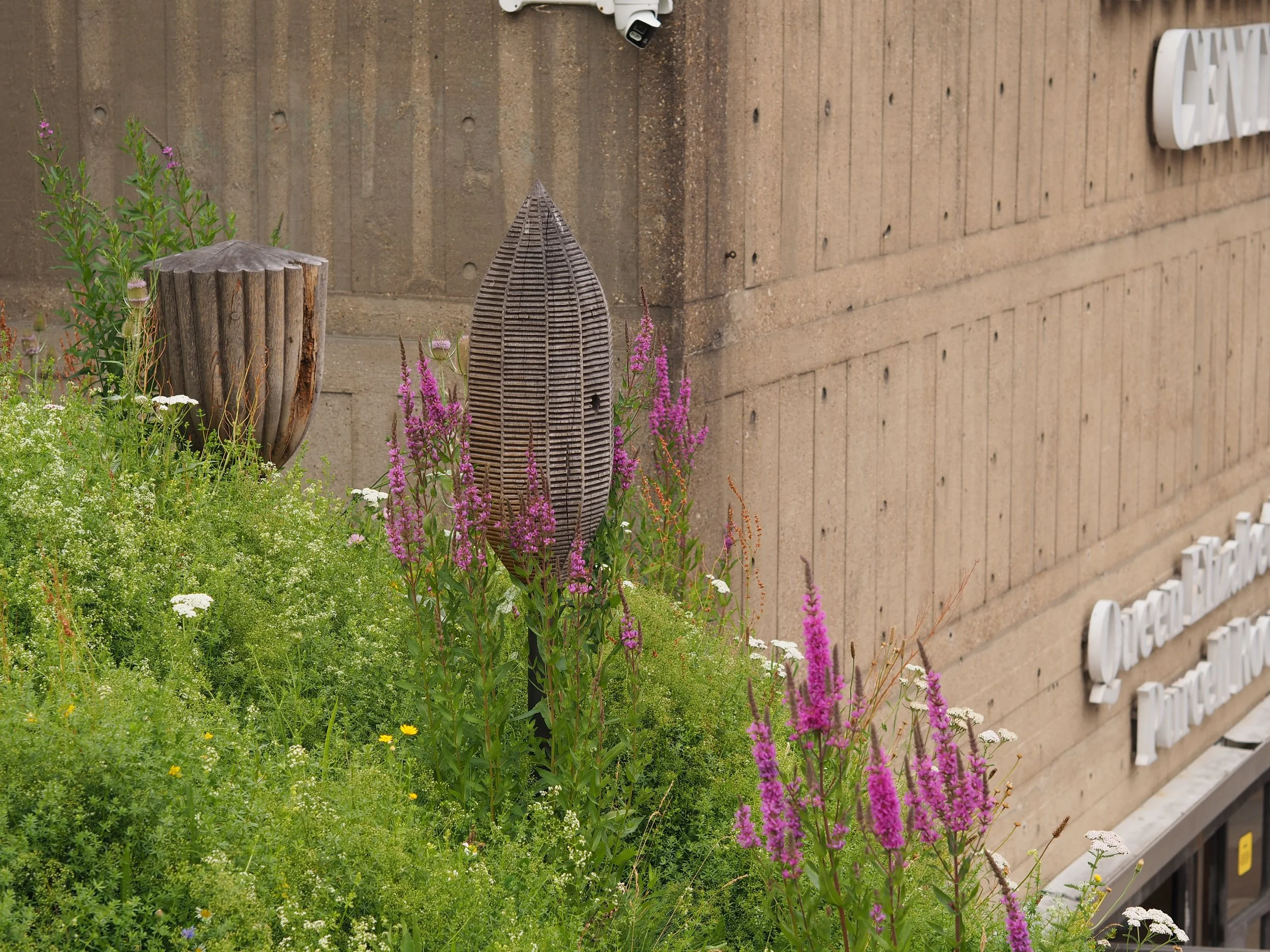
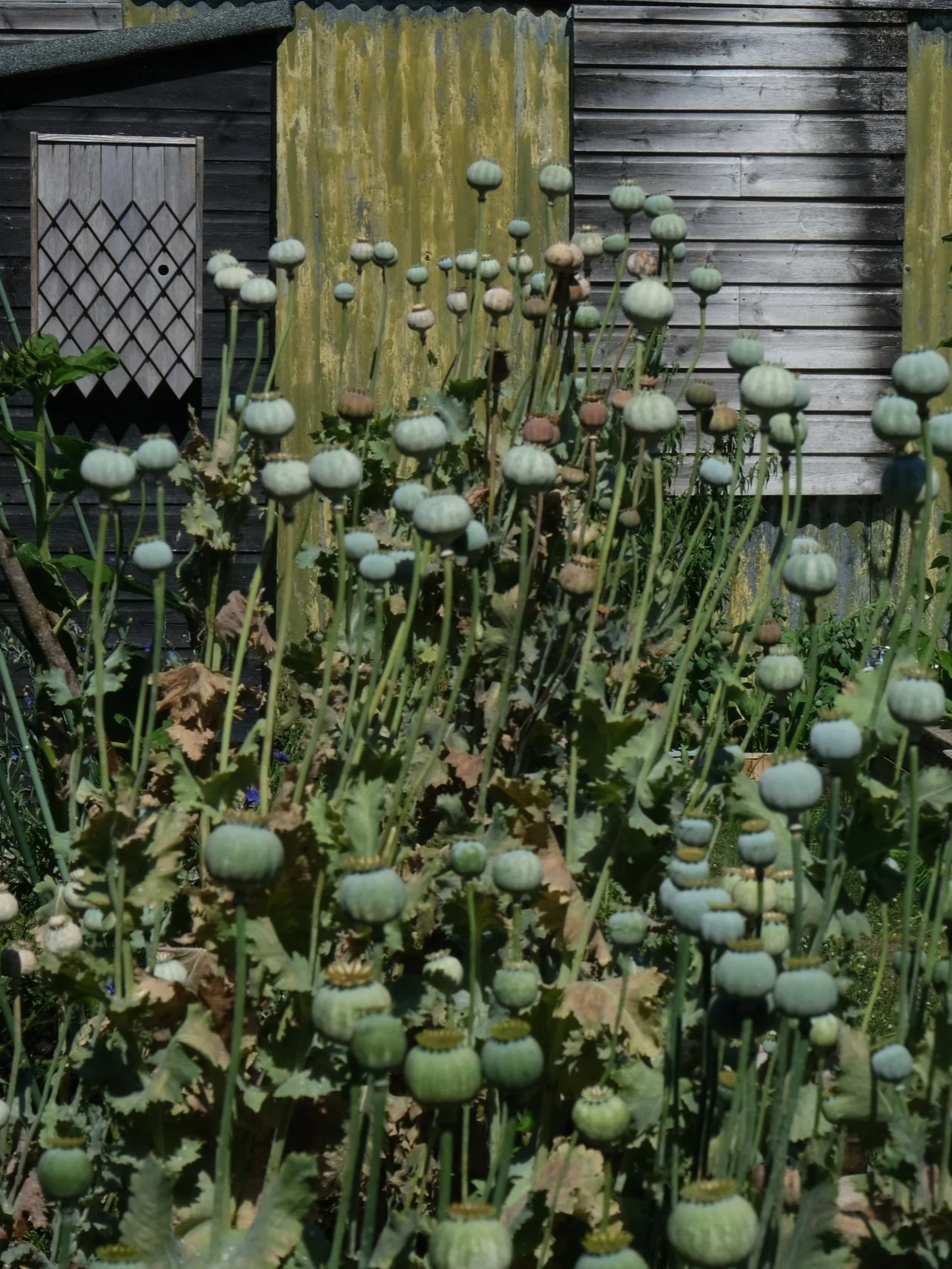
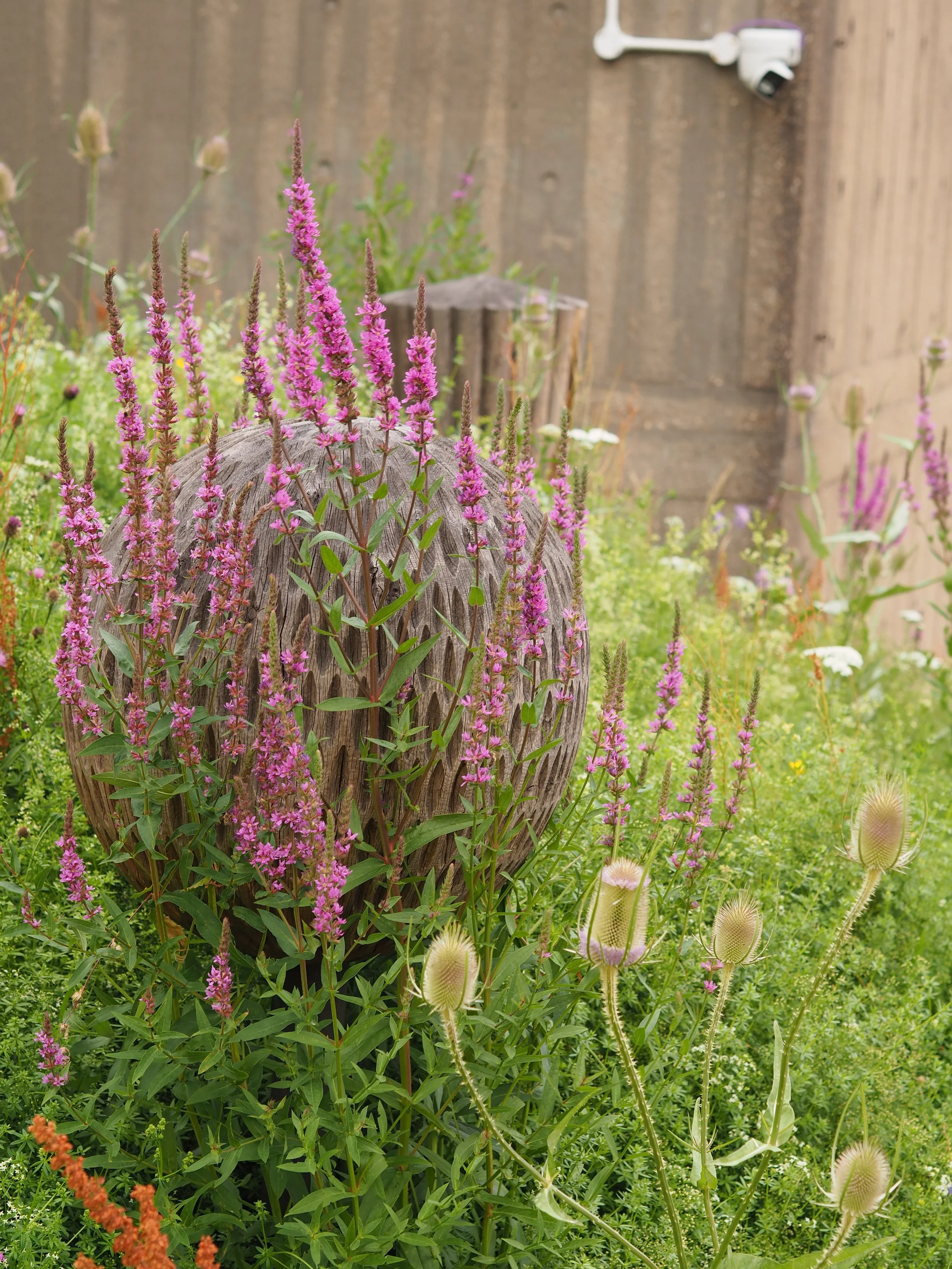
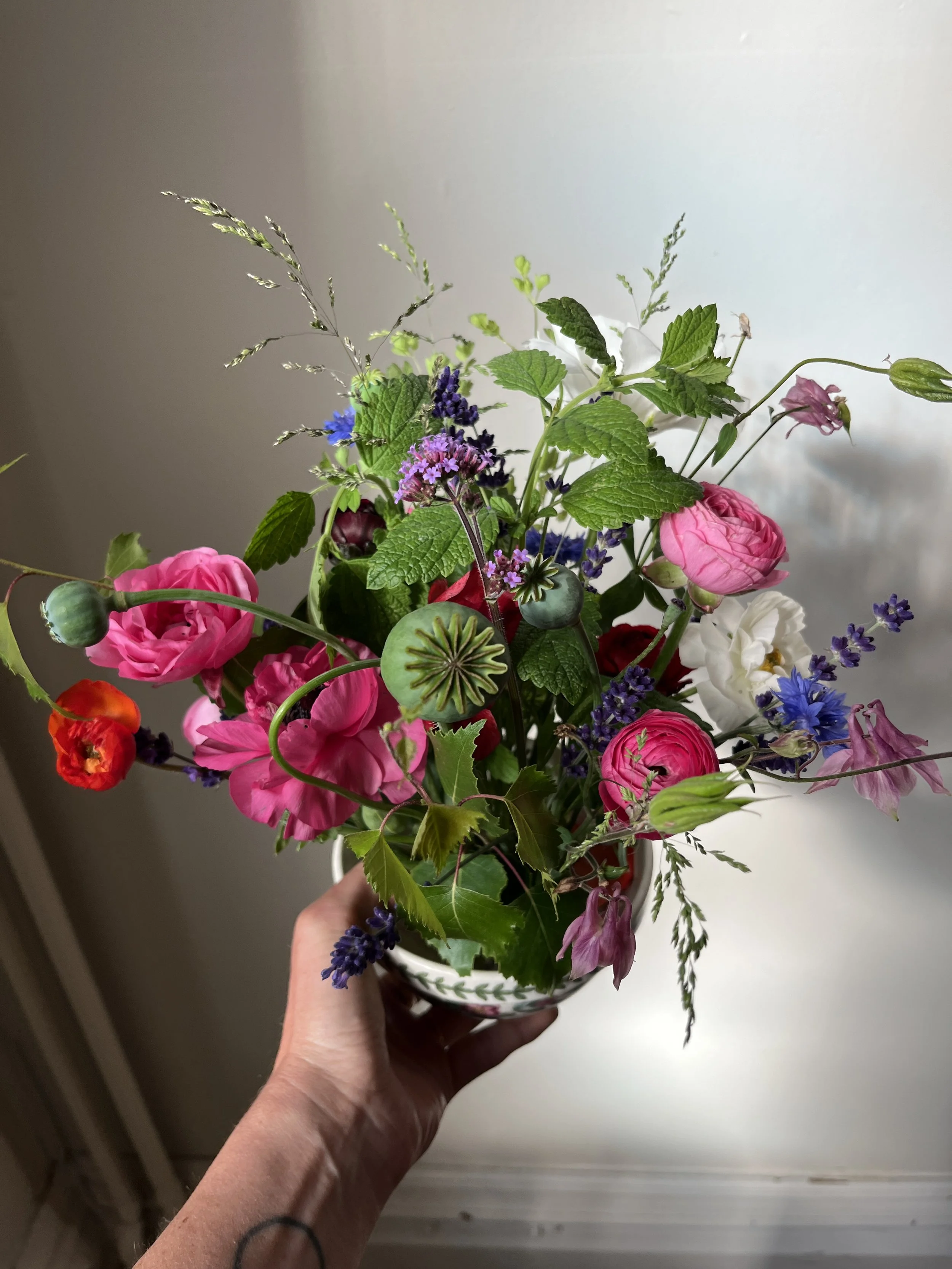
Oak nesting pod at Southbank Centre in it’s third Summer, poppy seed heads in our garden in June 2026
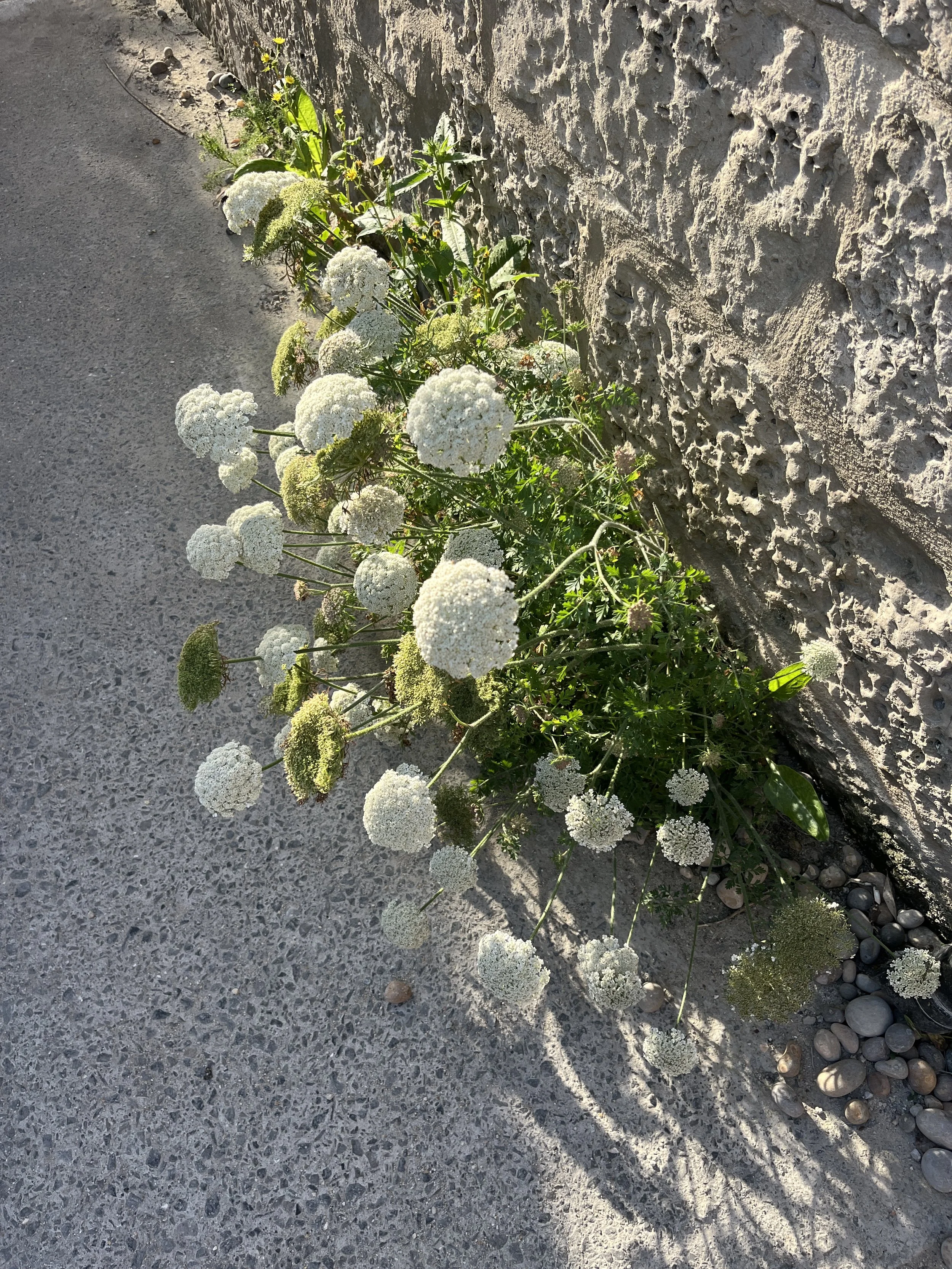
Nigel Dunnett 1963 - 2026.
We were so saddened to hear about the passing of Nigel Dunnett. He seemed such a true and gentle person with an enormous heart and vision.
I think of him and his work and contribution when I look at the incredibly sensitive variety of plants within such a small seed packet.
Our garden has become a place of connection, rest, and recovery. Through Nigel's teaching, we've better understood how thoughtfully designed landscapes can support our wellbeing in everyday life. We hope to carry this lineage of learning into our own work in the public realm, creating spaces that help others experience the same sense of connection, restoration, and joy that we've found in our own garden.
His work will inspire us and so many other people for so long.
